
What Every Frenchie Owner Needs to Know About French Bulldog Health Problems
If you’re reading this, you probably already love French Bulldogs — those bat ears, that snorty charm, the way they flop onto the couch like they pay rent. But let’s be honest: french bulldog health problems are part of the deal. This breed is one of the most medically complex out there, and anyone considering a Frenchie (or already living with one) deserves the full picture.

I’ve worked with hundreds of Frenchies in clinical settings and lived with two of my own. The good news? Most french bulldog health problems are manageable once you know what to watch for. The better news? This guide covers every major condition — symptoms, treatments, costs, and prevention — so you can stop Googling at 2 AM and start making confident decisions for your dog.
We’ll cover brachycephalic syndrome, skin allergies, IVDD, eye problems, hip and patellar issues, heart conditions, digestive troubles, ear infections, and heat stroke. Plus a vet-emergency cheat sheet and FAQ. Let’s get into it.
Brachycephalic Obstructive Airway Syndrome (BOAS)
This is the big one. French Bulldogs are brachycephalic — literally “short-headed” — and that adorable flat face comes with a set of breathing challenges collectively called Brachycephalic Obstructive Airway Syndrome, or BOAS. Roughly 50-65% of Frenchies show some degree of BOAS, making french bulldog breathing problems the most common health concern in the breed.

What BOAS Looks Like
BOAS includes a combination of elongated soft palates, stenotic (narrow) nostrils, and everted laryngeal saccules. The soft palate extends past the tip of the epiglottis, partially blocking the airway. Narrow nostrils force the dog to breathe harder, which inflames tissue further. It’s a vicious cycle.
Symptoms to Watch For
Loud snoring, snorting, and snoring while awake (not just sleeping). Exercise intolerance — your dog gasses out after a short walk. Gagging or retching, especially after drinking water. Heat stress during mild temperatures that wouldn’t bother other breeds. In severe cases, cyanosis (blue-tinged gums) or collapse.
Treatment Options
Mild cases often improve with weight management alone. For moderate to severe BOAS, surgery is the standard of care. Soft palate resection (staphylectomy) runs $1,500–$3,500. Nares widening (wedge resection of the nostrils) adds $500–$1,200. Laryngeal saccule removal typically adds another $800–$1,500. Many surgeons do all three in one procedure, with total costs landing between $2,500 and $5,000.
Prevention and Management
Keep your Frenchie lean — extra weight makes BOAS dramatically worse. Use a best harness for French Bulldogs instead of a collar to avoid pressure on the trachea. Avoid exercise during hot or humid weather. Some owners find that a cooling mat for French Bulldogs helps during summer months. And if you’re getting a puppy, choose a breeder who does BOAS scoring on their breeding dogs.
Skin Allergies and Fold Dermatitis
If there’s a second hallmark of french bulldog health problems, it’s skin. Frenchies are allergy magnets — food allergies, environmental allergies, contact allergies, you name it. On top of that, their signature face folds and tail pockets create warm, moist environments where bacteria and yeast thrive.

Atopic Dermatitis and Food Allergies
French bulldog skin allergies typically show up between 6 months and 3 years of age. You’ll see scratching, paw licking, recurrent ear infections, and red, inflamed skin — especially on the belly, paws, and armpits. Food allergies in Frenchies most commonly involve chicken, beef, dairy, and wheat. Environmental allergies (atopic dermatitis) are usually triggered by pollen, dust mites, or mold.
Interdigital Dermatitis and Fold Pyoderma
Those adorable face wrinkles? They need daily attention. Fold dermatitis (also called skin fold pyoderma) happens when moisture and debris get trapped in the folds. The tail pocket — the crease under a tight or screw tail — is another hotspot. You might notice redness, a foul odor, and your dog rubbing their face on the carpet.
Treatment and Costs
Allergy management is a marathon, not a sprint. Apoquel (oclacitinib) runs $50–$80/month. Cytopoint injections cost $100–$200 every 4–8 weeks and can be remarkably effective. Hypoallergenic diets (hydrolyzed protein) cost $80–$120/month. For fold dermatitis, daily cleaning with medicated wipes ($15–$25/month) and keeping folds dry is non-negotiable. Severe skin infections may need oral antibiotics ($30–$80 per course) and medicated shampoos — a good dog shampoo for French Bulldogs with itchy skin can make a real difference.
Diet Matters More Than You Think
I’ve seen Frenchies transform on the right diet. If your dog has chronic skin issues, work with your vet on a proper elimination diet trial — not just switching brands randomly. The best dog food for French Bulldogs with skin allergies uses novel or hydrolyzed proteins and avoids common triggers like chicken and grain fillers.
Intervertebral Disc Disease (IVDD)
IVDD in french bulldogs is one of the most devastating conditions in the breed. Frenchies are disproportionately affected because of their chondrodystrophic (dwarfism) body type — short legs, long back, and abnormal disc cartilage that degenerates early. Studies suggest up to 3.5% of French Bulldogs will experience IVDD, and that number climbs higher in dogs over 5 years old.

What Happens With IVDD
The discs between vertebrae degenerate prematurely, becoming brittle instead of spongy. A jump off the couch, a rough play session, or even just a wrong step can cause the disc material to herniate upward into the spinal cord. This compresses the spinal cord and causes pain, weakness, or paralysis.
Symptoms: From Subtle to Emergency
Early signs are easy to miss: reluctance to jump, slow to get up, yelping when picked up, or a hunched posture. Moderate cases show wobbling, dragging a paw, or crossing legs when walking. Severe cases — and this is where you need to move fast — involve full paralysis of the hind legs and loss of deep pain sensation. Time from symptom onset to surgery directly affects outcomes.
Treatment and Prognosis
Mild cases (pain only, no neurologic deficits) may heal with 4–6 weeks of strict crate rest and anti-inflammatories. Cost: $500–$1,500 including diagnostics. Moderate to severe cases require MRI ($1,500–$3,000) and spinal surgery ($4,000–$8,000+). The good news: dogs that still have deep pain sensation have a 90%+ chance of walking again after surgery. Dogs that have lost deep pain for more than 48 hours have a much worse prognosis — below 50%. This is why french bulldog health problems like IVDD demand fast action.
Prevention Tips
Use ramps instead of letting your Frenchie jump off furniture. No jumping on or off beds — this is the number one trigger I see in practice. Keep your dog at a healthy weight. Consider a supportive harness for walks rather than neck collars. And if your Frenchie shows even mild back pain, don’t wait — get imaging done early.
Eye Problems: Cherry Eye, Corneal Ulcers, and More
Those big, expressive Frenchie eyes are undeniably cute, but they’re also vulnerable. French Bulldogs are prone to a cluster of eye issues, and because their eyes are slightly protruding (exophthalmic), they’re more exposed to trauma and dryness. Understanding these french bulldog health problems can save your dog’s vision.

Cherry Eye
Cherry eye is a prolapsed gland of the third eyelid — it looks like a red, swollen mass in the inner corner of the eye. It can happen at any age but most commonly appears in dogs under 2 years. The old approach was to remove the gland entirely, but we now know that removal dramatically increases the risk of dry eye (KCS) later in life. The preferred treatment is surgical repositioning (tacking), which costs $800–$2,000 per eye. Do not let anyone just remove the gland.
Corneal Ulcers
Because Frenchies have prominent eyes and often dry corneas, they’re prone to corneal ulcers — scratches on the eye surface that won’t heal. A normal scratch heals in 3–5 days. An indolent ulcer can linger for weeks. Symptoms include squinting, excessive tearing, pawing at the eye, and cloudiness. Treatment ranges from medicated drops ($30–$80) to debridement procedures ($300–$600) to grid keratotomy ($500–$1,200).
Dry Eye (Keratoconjunctivitis Sicca)
KCS is common in Frenchies and often develops after cherry eye gland removal. It requires lifelong medication — cyclosporine ophthalmic ointment ($40–$80/month) and artificial tears. Untreated, it leads to pigmentation, scarring, and vision loss. Regular vet eye exams can catch this early.
Hip Dysplasia and Patellar Luxation
Orthopedic problems round out the most common french bulldog health problems. Hip dysplasia and patellar luxation are both prevalent in the breed, and they can occur together, compounding mobility issues.
Hip Dysplasia
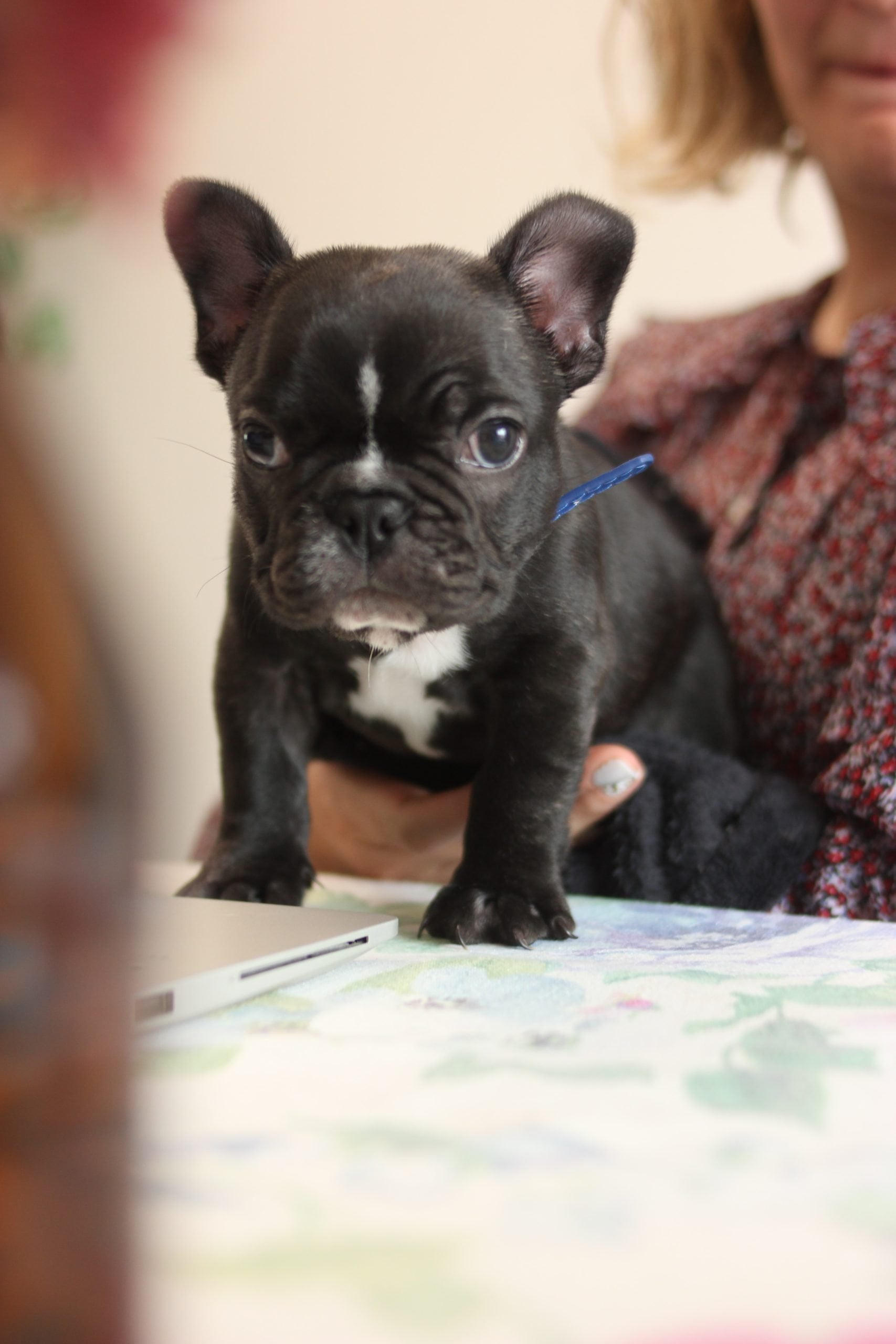
Hip dysplasia is a malformation of the hip joint where the ball doesn’t fit snugly in the socket. Over time, the joint degenerates, causing pain and arthritis. The AKC recommends hip evaluations for breeding French Bulldogs, and for good reason — the condition has a strong genetic component. Symptoms include bunny-hopping gait, reluctance to climb stairs, difficulty rising, and a swaying walk. Mild cases respond well to joint supplements (glucosamine/chondroitin, $20–$40/month), weight management, and controlled exercise. Severe cases may need total hip replacement ($5,000–$7,000 per hip) or FHO surgery ($2,000–$4,500).
Patellar Luxation
This is where the kneecap (patella) slips out of its groove — you might notice your Frenchie skip or kick a back leg for a step, then walk normally. Grade 1 (luxates but returns on its own) usually needs no treatment. Grade 2–4 may require surgery ($1,500–$3,500 per knee). This is one of those frenchie health issues where early intervention matters — the longer the kneecap tracks incorrectly, the more arthritis develops.
Heart Conditions
Heart disease in French Bulldogs isn’t talked about as much as breathing or skin issues, but it deserves attention. The two most common cardiac problems in the breed are pulmonic stenosis and mitral valve disease.

Pulmonic Stenosis
Pulmonic stenosis is a congenital narrowing of the pulmonic valve — the valve between the right ventricle and the pulmonary artery. It’s overrepresented in French Bulldogs compared to the general dog population. Mild cases may never cause symptoms and are found incidentally on a heart murmur check. Moderate to severe cases can cause exercise intolerance, fainting, and right-sided heart failure. Balloon valvuloplasty (widening the valve with a balloon catheter) costs $3,000–$6,000 and has good outcomes in most cases.
Mitral Valve Disease
More common in older Frenchies, mitral valve disease causes a leaky valve that allows blood to flow backward in the heart. It leads to a heart murmur, eventual enlargement, and potentially congestive heart failure. Medications (pimobendan, ACE inhibitors, furosemide) run $50–$150/month. Regular echocardiograms ($300–$500 each) monitor progression. With good management, many dogs live comfortably for years after diagnosis.
Screening Matters
Ask your vet to listen for a heart murmur at every annual exam. If a murmur is detected, an echocardiogram gives you a clear picture. Breeding French Bulldogs should have cardiac clearance through OFA or equivalent — this is one of those french bulldog health problems where responsible breeding practices make a real difference.
Digestive Issues: Sensitive Stomachs and Bloat
French Bulldogs and sensitive stomachs go together like peanut butter and jelly — unfortunately. Between food allergies, inflammatory bowel disease, and the ever-present risk of bloat, digestive problems are a significant part of the french bulldog health problems picture.

Food Intolerance and IBD
Many Frenchies have sensitive GI tracts that manifest as chronic loose stools, excessive gas, vomiting, or all three. Inflammatory bowel disease (IBD) is diagnosed when the gut lining becomes chronically inflamed, often driven by dietary or environmental triggers. An elimination diet with a hydrolyzed protein food is the gold standard for diagnosis. Probiotics ($20–$40/month) and digestive enzymes can help milder cases. For some dogs, simply switching to a slow feeder bowl for French Bulldogs reduces gas and bloating by slowing intake.
Bloat (GDV) — The Emergency
Gastric dilatation-volvulus (GDV) is less common in Frenchies than in large deep-chested breeds, but it can still happen. The stomach fills with gas and twists, cutting off blood supply. Symptoms include a distended abdomen, non-productive retching, restlessness, and rapid breathing. This is a life-threatening emergency — if you see these signs, get to an emergency vet immediately. Surgery for GDV runs $3,000–$7,000+, and survival depends on how fast you act.
Practical Digestive Tips
Feed two or three smaller meals rather than one large one. Avoid vigorous exercise for an hour after eating. An elevated dog bowl for French Bulldogs can help some dogs eat more comfortably and reduce air intake. Keep a consistent diet — Frenchies do not do well with frequent food changes.
Ear Infections
If there’s an unsung villain in the world of french bulldog health problems, it’s ear infections. French Bulldogs have narrow ear canals and those signature upright ears that catch everything — dirt, moisture, allergens. Combine that with the breed’s allergy tendencies, and you’ve got a recipe for chronic otitis externa.

Why Frenchies Get So Many Ear Infections
It starts with anatomy. Narrow canals mean poor airflow and trapped moisture. Then add allergies — dogs with atopic dermatitis are far more prone to ear infections because the allergic inflammatory response extends into the ear canal. Yeast (Malassezia) and bacteria love the warm, dark, moist environment of an inflamed ear. Most Frenchie ear infections are yeast-based, producing a characteristic brown, waxy discharge and a distinct odor — somewhere between old cheese and damp laundry.
Symptoms
Head shaking, scratching at ears, rubbing the head on furniture, redness inside the ear, odor, and discharge. If your Frenchie is suddenly tilting their head or crying when you touch their ear, it’s time for a vet visit.
Treatment and Prevention
Active infections need veterinary treatment — typically ear drops ($30–$60) for 10–14 days, sometimes with an ear cleaning under sedation ($150–$300) if the canal is swollen shut. Severe or recurrent cases may need culture and sensitivity testing ($100–$200) to identify the exact organism and choose the right medication. Prevention is where you save money and your dog saves discomfort. Clean ears weekly with a vet-approved ear cleaner ($10–$20). After baths or swimming, dry the ears thoroughly. Manage underlying allergies — most chronic ear infections in Frenchies are allergy-driven. I tell owners: if your Frenchie has had more than three ear infections in a year, it’s time to investigate the underlying allergy.
Heat Stroke and Temperature Sensitivity
Heat stroke is one of the most dangerous french bulldog health problems, and it’s one of the most preventable. Because of their brachycephalic anatomy, French Bulldogs cannot cool themselves efficiently. They have smaller airways and less evaporative surface area in their nasal passages. In practical terms, your Frenchie can overheat in conditions that feel comfortable to you — even 75°F with moderate humidity can be risky for an active Frenchie.

How Heat Stroke Happens
Dogs cool themselves primarily through panting. Brachycephalic dogs have restricted airways, so their cooling system is fundamentally impaired. Add excitement, exercise, or being in a warm car, and body temperature can spike rapidly. Normal canine body temperature is 101–102.5°F. At 105°F, you’re in the danger zone. At 106°F and above, organ damage begins. At 109°F, it’s often fatal despite treatment.
Symptoms of Overheating
Excessive panting that doesn’t improve with rest, thick or sticky saliva, bright red gums, weakness, stumbling, vomiting, and diarrhea. Advanced signs include collapse, seizures, and loss of consciousness. If you see any of these, start cooling your dog immediately — cool (not ice-cold) water on the belly, armpits, and groin — and head to the vet.
Prevention Is Everything
Walk early morning or late evening. Always carry water. Never leave your Frenchie in a car — even with windows cracked, temperatures can reach 120°F in minutes. Use a cooling mat for French Bulldogs indoors. If it’s above 80°F, keep outdoor play sessions under 10 minutes. Know your dog’s limits — some Frenchies are more heat-sensitive than others. Emergency treatment for heat stroke costs $1,500–$5,000+, and some dogs don’t survive despite aggressive care. Prevention is free.
When to See the Vet: Emergency Cheat Sheet
Some french bulldog health problems can wait for a scheduled appointment. Others need immediate attention. Here’s a quick reference so you know when to rush and when to schedule.
Go to Emergency Vet Immediately If:
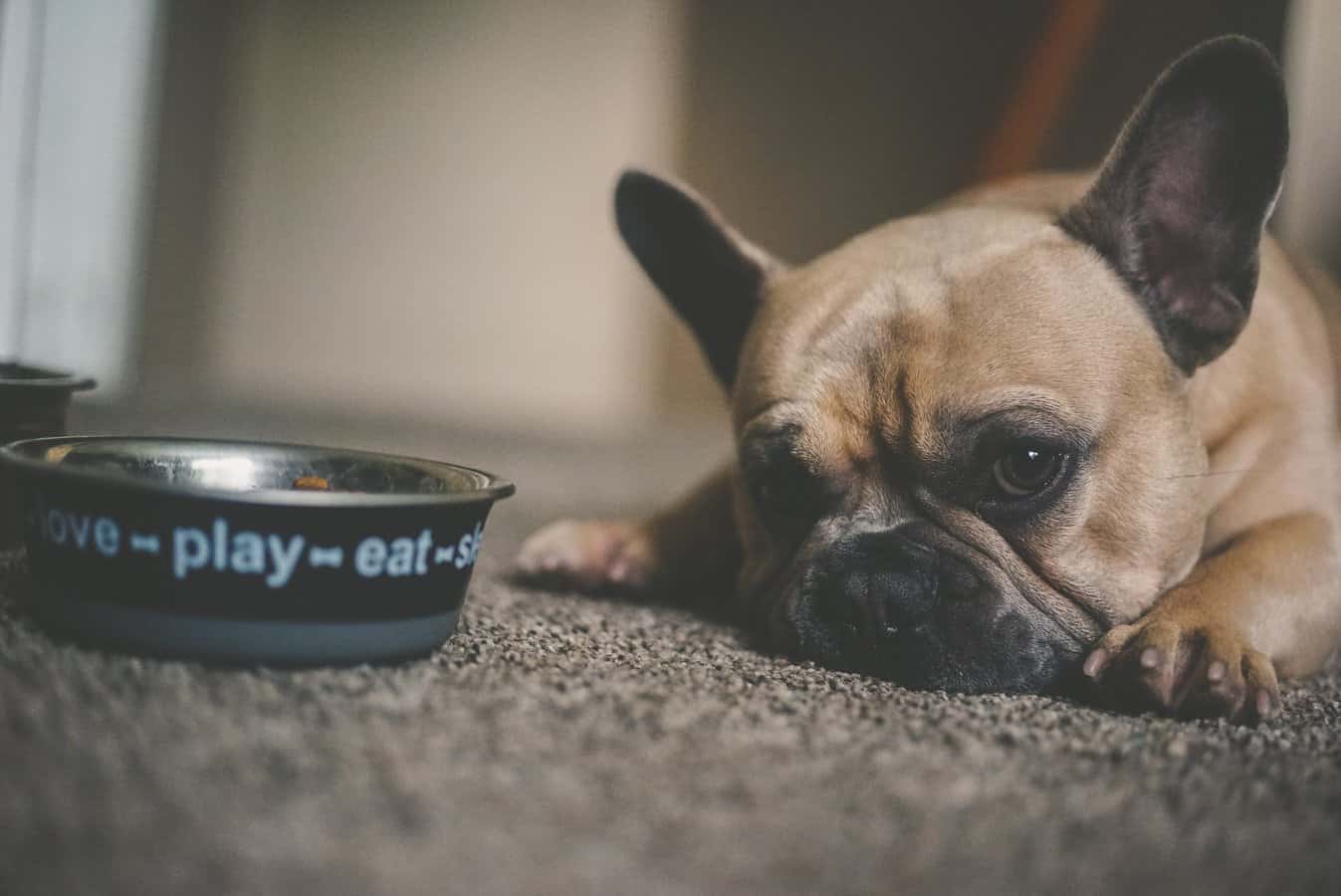
Your Frenchie is struggling to breathe — mouth breathing, gasping, blue gums, or collapse. Sudden inability to use the back legs (possible IVDD). Bloated or distended abdomen with non-productive retching (possible GDV). Body temperature above 104°F. Seizures lasting more than 2 minutes or multiple seizures in a row. Sudden blindness or eye trauma. Non-stop vomiting or diarrhea for more than 12 hours, especially if blood is present.
Schedule a Vet Visit Within 24 Hours If:
New or worsening lameness lasting more than a day. Persistent scratching or skin irritation not responding to current treatment. Ear odor or discharge lasting more than 3 days. Gradual decrease in appetite or energy. New lump or bump that’s growing or changing.
Annual Preventive Care Checklist
Don’t skip annual exams just because your Frenchie seems healthy. These visits catch problems early. Your annual should include: full physical exam, heart murmur check, dental assessment, weight evaluation, and discussion of any new symptoms. For Frenchies over 5, add bloodwork ($150–$300) and consider thoracic X-rays ($200–$400) to screen for early spine changes. The cost of prevention is always less than the cost of crisis treatment — I’ve seen this play out hundreds of times.
French Bulldog Health Problems: Frequently Asked Questions
What is the most common health problem in French Bulldogs?
Brachycephalic Obstructive Airway Syndrome (BOAS) is the most prevalent, affecting roughly 50-65% of the breed to some degree. French bulldog breathing problems range from mild snoring to severe exercise intolerance. Skin allergies and ear infections follow closely behind as the most common frenchie health issues.
How long do French Bulldogs typically live?
The average lifespan is 10–14 years. A 2022 UK study of over 2,200 French Bulldogs found a median lifespan of about 10.5 years, with respiratory disease being the most common cause of death. Dogs that receive BOAS surgery, maintain a healthy weight, and avoid heat-related incidents tend to live on the longer end of that range.
Are French Bulldogs more expensive to care for than other breeds?
Yes. Lifetime veterinary costs for French Bulldogs are significantly higher than the canine average. Pet insurance data consistently ranks Frenchies among the top 10 most expensive breeds to insure. Expect $1,500–$4,000 in annual veterinary costs depending on which french bulldog health problems your dog develops, and set aside a cushion for potential surgeries.
Can french bulldog health problems be prevented?
Many can be managed or their severity reduced, though not all can be fully prevented — genetics play a major role. The biggest impact comes from: choosing a responsible breeder who health-tests breeding dogs, maintaining a lean body weight, staying current on preventive care, and acting quickly when symptoms appear. Early intervention for french bulldog health problems consistently leads to better outcomes and lower costs.
Is pet insurance worth it for a French Bulldog?
In my experience, absolutely. French Bulldogs are statistically more likely to need expensive veterinary care than most breeds. A good pet insurance policy ($40–$80/month for a Frenchie, depending on age and coverage) can save you thousands on BOAS surgery, IVDD treatment, or emergency care. Read the fine print — make sure the policy covers breed-specific conditions and doesn’t exclude bilateral issues (like cherry eye in both eyes after one is treated).
What should I look for in a French Bulldog breeder?
A responsible breeder will perform health testing on breeding dogs including: BOAS assessment, spine imaging (for IVDD), hip and patellar scoring, and cardiac evaluation. They’ll share results openly, won’t breed dogs with severe issues, and will be honest about the breed’s health challenges. If a breeder dismisses french bulldog health problems or claims their lines are “completely healthy” without documentation, walk away. The AKC health testing standards are a good benchmark for what to expect.
My Frenchie makes weird breathing noises — is that normal?
Some snorting and snoring is normal for the breed — that’s part of being brachycephalic. But there’s a difference between “Frenchie noises” and genuine respiratory distress. If the noise is new, worsening, accompanied by gagging, or your dog struggles during exercise or in warm weather, that’s not just personality — it’s worth having evaluated. Many french bulldog breathing problems start subtle and progress gradually. A BOAS assessment by your vet can determine whether what you’re hearing is within normal limits or needs attention.
The Bottom Line on French Bulldog Health Problems
Yes, french bulldog health problems are real and significant. This breed comes with a stack of potential issues that other dogs don’t face — from brachycephalic airway challenges to IVDD risks, from chronic skin allergies to heat sensitivity. Pretending otherwise does a disservice to the dogs and the people who love them.

But here’s what I want you to take away: knowledge is power. Understanding french bulldog health problems before they become emergencies means you can act faster, spend less, and keep your dog comfortable longer. Most french bulldog health problems have effective treatments — BOAS surgery dramatically improves quality of life, allergy management works, IVDD outcomes are good with prompt care, and daily preventive habits make a massive difference.
Stay on top of annual vet visits. Know the emergency signs. Invest in pet insurance if you can. Keep your Frenchie lean, cool, and current on preventive care. And find a vet who knows and likes the breed — it matters more than you’d think.
Your Frenchie picked you for a reason. With the right knowledge and proactive care, you can give them the long, comfortable, snorty life they deserve. That’s not just possible — it’s expected, for the vast majority of French Bulldogs who receive informed, attentive care. You’ve got this.