
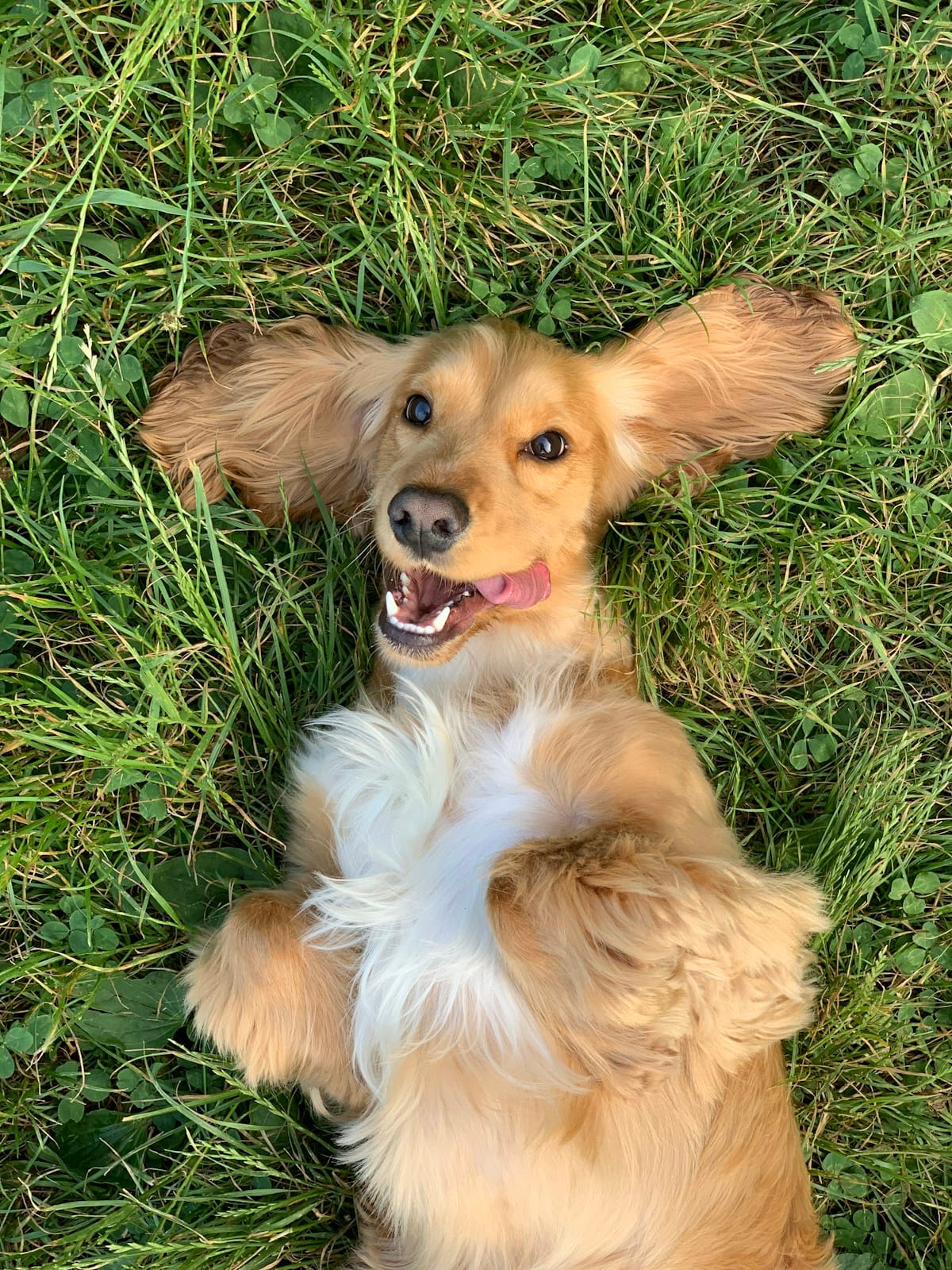
Australian Shepherds are incredibly intelligent, energetic, and loyal dogs that form deep bonds with their owners. However, their intelligence and energy can make training both rewarding and challenging. This comprehensive guide will take you through everything you need to know about training your Australian Shepherd, from puppyhood to adulthood, helping you develop a well-mannered, happy companion.
Understanding the Australian Shepherd Mind
Before diving into training techniques, it’s essential to understand what makes Australian Shepherds tick. This breed was developed to herd livestock, which means they’re hardwired to think, problem-solve, and work independently when needed while also taking direction from their handler.
Key Characteristics That Affect Training
- High Intelligence: Aussies consistently rank among the most intelligent dog breeds. They learn quickly—both good habits and bad ones.
- Work Drive: They need jobs to do. Without purpose, they’ll create their own activities (often destructive ones).
- Sensitivity: Aussies are emotionally attuned to their owners and don’t respond well to harsh corrections.
- Energy: High energy requires both physical exercise and mental stimulation before effective training can occur.
- Herding Instincts: May attempt to herd children, other pets, or even adults by nipping at heels.
Puppy Training Foundations (8-16 Weeks)
The first weeks with your Australian Shepherd puppy establish the foundation for all future training. Start immediately—these puppies are ready and eager to learn from day one.
Socialization: The Critical Window
The period between 8-16 weeks is your socialization window. During this time, expose your puppy to:
- Different people (various ages, sizes, ethnicities, appearances)
- Other vaccinated, friendly dogs
- Various environments (urban, rural, indoor, outdoor)
- Different surfaces (grass, concrete, metal grates, carpet)
- Household sounds (vacuum, blender, TV)
- Car rides
- Handling (touching paws, ears, mouth, tail)
Important: All socialization should be positive. Never force your puppy into frightening situations. Let them approach new things at their own pace with treats and praise.
Essential Puppy Commands
Start with these foundation commands:
Name Recognition:
- Say your puppy’s name in an upbeat tone
- When they look at you, mark with “yes!” and reward
- Practice 10-15 times throughout the day
Sit:
- Hold a treat above your puppy’s nose
- Slowly move it back over their head
- As their rear hits the ground, say “sit,” mark, and reward
Come (Recall):
- Start in a low-distraction environment
- Say “come” in an excited voice
- When your puppy approaches, celebrate and reward generously
- Never call your puppy for something unpleasant
Crate Training
Crate training provides a safe space for your Aussie and aids in housetraining:
- Introduce the crate gradually with the door open
- Feed meals inside the crate
- Toss treats inside for your puppy to discover
- Begin closing the door for short periods while you’re present
- Gradually increase crate time
- Never use the crate as punishment
House Training
Australian Shepherds are generally easy to housetrain when you’re consistent:
- Take your puppy outside first thing in the morning, after meals, after play, and before bed
- Use a consistent phrase (“go potty”) while they eliminate
- Reward immediately after they finish
- Supervise constantly when indoors; use a leash attached to you if needed
- Clean accidents with enzymatic cleaners to remove odor markers
- Never punish accidents—it damages trust without teaching anything
Adolescent Training (4-18 Months)
Adolescence is when many owners struggle with their Australian Shepherds. Hormones surge, independence increases, and your once-perfect puppy may seem to “forget” everything they learned.
Surviving the Teenager Phase
- Stay consistent: Don’t give up on training. This is when it matters most.
- Increase exercise: A tired Aussie is a trainable Aussie. Aim for 2+ hours of activity daily.
- Use high-value rewards: Regular kibble may not cut it. Break out the chicken, cheese, or hot dogs.
- Shorten sessions: Attention spans fluctuate. Multiple short sessions beat one long one.
- Be patient: This phase passes. Consistent training now pays dividends for life.
Intermediate Commands
Stay:
- Ask for a sit or down
- Hold your hand palm-out and say “stay”
- Take one step back, return, and reward
- Gradually increase distance and duration
- Add the “three D’s”: distance, duration, and distractions
Place/Bed:
- Lure your dog onto a bed or mat with a treat
- Mark and reward when they’re on it
- Add the command “place” or “bed”
- Build duration gradually
- Practice with distractions (doorbell, visitors)
Leave It:
- Hold a treat in your closed fist
- Let your dog sniff and paw at it
- When they back off, mark and reward with a different treat
- Add the command “leave it”
- Progress to treats on the floor, outdoors, and with moving objects
Leash Training
Australian Shepherds can be strong pullers. Address this early:
- Be a tree: When your dog pulls, stop completely. Wait for slack, then continue.
- Change directions: Randomly turn and walk the other way to keep your dog focused on you.
- Reward position: Frequently reward your dog for being beside you.
- Use proper equipment: Front-clip harnesses can help manage pulling while training.
Managing Herding Behaviors
Herding instincts are deeply ingrained in Australian Shepherds. Rather than trying to eliminate these behaviors, redirect them appropriately.
Nipping and Heel-Chasing
When your Aussie nips at heels or attempts to herd people:
- Say “no” or “ah-ah” firmly (not harshly)
- Redirect to an appropriate toy
- Reward engagement with the toy
- For persistent nipping, use a brief time-out (30 seconds of ignoring)
Providing Appropriate Outlets
- Herding balls: Large balls designed for dogs to “herd” in the yard
- Flirt poles: Allows chasing and “capturing” prey
- Treibball: A sport involving pushing large exercise balls into goals
- Actual herding: If accessible, lessons with livestock can satisfy instincts
Mental Stimulation: Essential for Aussies
Physical exercise alone isn’t enough. Australian Shepherds need mental challenges to stay satisfied.
Enrichment Activities
- Puzzle feeders: Kong Wobblers, Outward Hound puzzles, snuffle mats
- Food-stuffed Kongs: Freeze with peanut butter and kibble for extended entertainment
- Training as enrichment: Learning new tricks is inherently stimulating
- Nose work: Hide treats around the house for your dog to find
- Rotating toys: Keep toys interesting by limiting availability and rotating weekly
Training Games
Hide and Seek:
- Ask your dog to stay (or have someone hold them)
- Hide in another room
- Call your dog and celebrate when they find you
Which Hand:
- Hide a treat in one hand
- Present both closed fists
- Reward when your dog indicates the correct hand
Name That Toy:
- Teach your dog the names of specific toys
- Start with one toy, naming it consistently
- Add new toys one at a time
- Ask your dog to retrieve specific toys by name
Advanced Training and Dog Sports
Australian Shepherds excel in various dog sports. Consider these activities to challenge your dog:
Agility
Aussies are natural agility dogs, combining speed, intelligence, and handler focus. Benefits include:
- Intense physical and mental workout
- Strengthens handler-dog bond
- Builds confidence
- Provides clear job and purpose
Obedience and Rally
Competitive obedience showcases the precision training Aussies can achieve. Rally offers a more relaxed, fun approach to obedience skills.
Herding Trials
If you have access to livestock and a qualified trainer, herding trials allow Aussies to express their natural abilities in a controlled setting.
Disc Dog (Frisbee)
Many Aussies are natural frisbee catchers. This activity provides excellent exercise and strengthens your bond.
Troubleshooting Common Issues
Barking
Australian Shepherds can be vocal. To manage excessive barking:
- Identify triggers (boredom, alerting, attention-seeking)
- Address the underlying cause
- Teach “quiet” or “enough” command
- Reward silence
- Ensure adequate exercise and mental stimulation
Separation Anxiety
Aussies bond deeply and may struggle when alone:
- Practice brief departures and returns without fanfare
- Gradually increase alone time
- Provide engaging activities when leaving (stuffed Kong, puzzle toys)
- Consider doggy daycare or dog walkers for long absences
- Consult a professional if anxiety is severe
Reactivity
Some Aussies become reactive to other dogs, strangers, or stimuli:
- Work at a distance where your dog notices but doesn’t react
- Pair the trigger with high-value treats (counter-conditioning)
- Gradually decrease distance over time
- Consider working with a certified professional trainer
Training Tools and Resources
Recommended Equipment
- 6-foot leash (leather or biothane)
- Long line (15-30 feet) for recall practice
- Front-clip harness for loose leash training
- Treat pouch for easy access during training
- High-value treats (small, soft, smelly)
- Clicker (optional but helpful for precision)
- Variety of toys for rewards and play
When to Seek Professional Help
Consider working with a professional trainer if:
- Your dog shows aggression toward people or animals
- Severe anxiety impacts quality of life
- Behaviors aren’t improving despite consistent training
- You want to pursue competitive dog sports
- You’re feeling overwhelmed or frustrated
Look for trainers certified through organizations like CPDT-KA, IAABC, or Karen Pryor Academy.
Creating a Training Schedule
Consistency is key. Here’s a sample daily training schedule for an Australian Shepherd:
- Morning: 30-minute walk with loose leash practice + 10 minutes of obedience
- Midday: Puzzle feeder or enrichment activity
- Afternoon: 15-minute training session (new trick or skill building)
- Evening: Play session + 5-minute refresher on commands
- Throughout day: Reward desired behaviors as they occur naturally
Conclusion: The Rewarding Journey
Training an Australian Shepherd is an ongoing journey rather than a destination. Their intelligence and eagerness to work with you make them incredibly rewarding partners when you invest the time and effort they need.
Remember these key principles:
- Be consistent and patient
- Use positive reinforcement
- Provide ample physical and mental exercise
- Give them jobs and purposes
- Celebrate progress, not perfection
- Enjoy the process—training strengthens your bond
With proper training, your Australian Shepherd will become a loyal, well-behaved companion capable of impressive feats. The time you invest now will be repaid many times over in years of partnership with one of the most remarkable dog breeds in the world.
For more training guides, check out our popular article on training Husky puppies and explore our complete breed guide collection.