
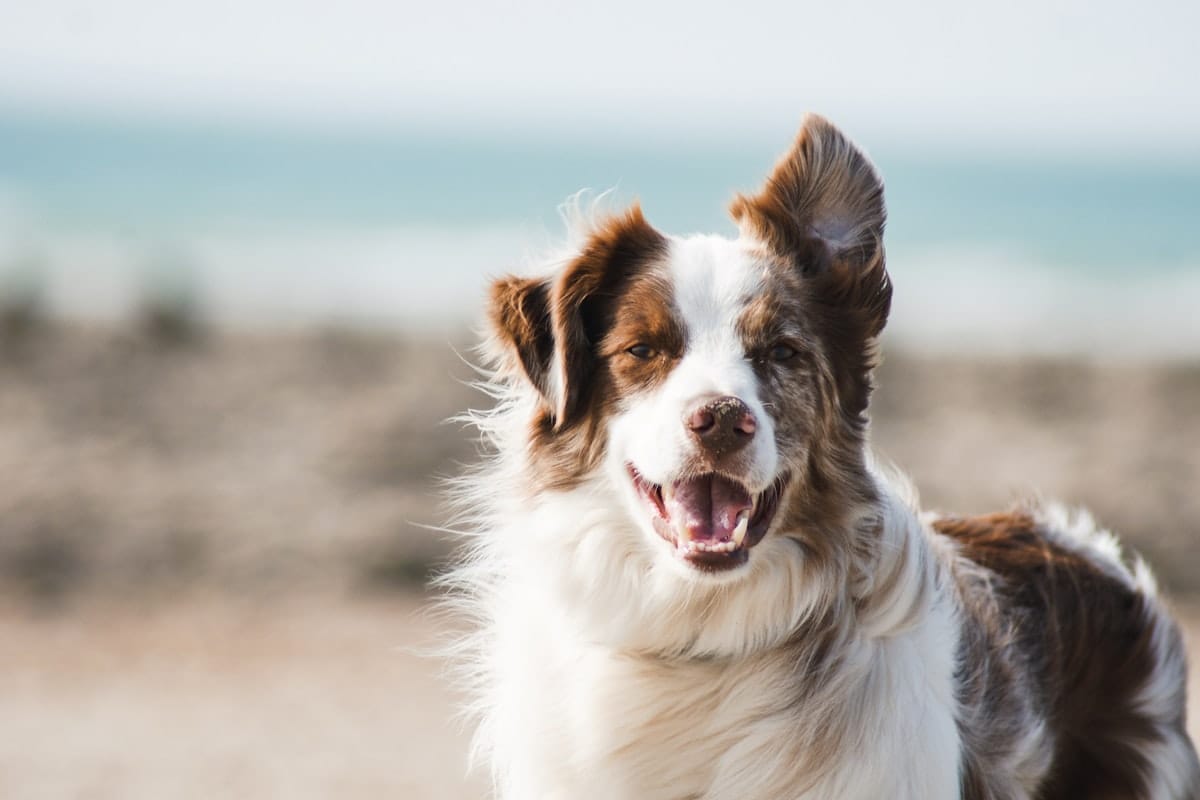
Getting your first dog is one of the best decisions you’ll ever make. It’s also one of the most overwhelming — there are hundreds of breeds, each with different energy levels, grooming needs, and temperaments.
The good news? Some breeds are practically designed for first-time dog owners. They’re forgiving of mistakes, eager to please, and adaptable enough to fit most lifestyles. Here are the 10 best dog breeds for first-time owners, based on trainability, temperament, and real-world experience from dog owners and trainers.
1. Labrador Retriever — The Classic First Dog
There’s a reason Labs have been America’s most popular breed for decades. They’re friendly with everyone — kids, strangers, other dogs, the mailman. Their eagerness to please makes training straightforward, and their goofy energy is infectious.
Labs do need daily exercise. We’re talking a solid 45-60 minutes of walking, fetching, or swimming. A bored Lab becomes a destructive Lab, and those powerful jaws can make quick work of your couch cushions.
Best for: Active families, households with kids, people who love the outdoors.
Heads up: They shed. A lot. Invest in a good vacuum.
2. Golden Retriever — Gentle and Patient
Goldens are the dogs that make you believe dogs are too good for us. Patient with kids, gentle with elderly family members, and social with other pets. Their intelligence and desire to please make them one of the easiest breeds to train.
Like Labs, Goldens need regular exercise and mental stimulation. They also require consistent grooming — that beautiful coat doesn’t maintain itself. Expect brushing sessions 2-3 times per week.
Best for: Families, therapy and emotional support situations, anyone who wants a loyal companion.
Heads up: Prone to certain health issues (hip dysplasia, cancer). Choose a reputable breeder or adopt.
3. Cavalier King Charles Spaniel — The Apartment Champion
If you live in an apartment and want a dog that’ll be happy with moderate exercise, a Cavalier is your answer. These little guys are affectionate, adaptable, and content to curl up on the couch with you after a short walk.
Cavaliers are natural people-pleasers with a gentle temperament that makes them excellent therapy dogs. They get along well with other pets and are rarely aggressive. Training is relatively easy thanks to their eager-to-please nature.
Best for: Apartment dwellers, less active owners, seniors, families with gentle kids.
Heads up: Can develop separation anxiety. They really, really want to be with you.
4. Poodle (Standard or Miniature) — Smart and Hypoallergenic
Poodles are brilliant — literally one of the smartest dog breeds in the world. That intelligence makes training a breeze. They pick up commands quickly and love having a job to do.
The big bonus: poodles don’t shed like most breeds. Their curly coat is considered hypoallergenic, making them ideal for owners with allergies. The trade-off is regular professional grooming every 4-6 weeks.
Best for: Allergy sufferers, people who enjoy training and dog sports, families.
Heads up: They need mental stimulation. A bored poodle will find creative ways to entertain itself — and you probably won’t like their creativity.
5. Bichon Frise — Small, Cheerful, Low-Shedding
Bichons are little clouds of happiness. They’re playful, affectionate, and get along with basically everyone. Their small size makes them manageable for first-time owners, and their cheerful disposition means they bounce back from your training mistakes.
Like poodles, Bichons are low-shedding, which is great for allergies. They do require regular grooming to keep that fluffy coat looking its best.
Best for: Apartment living, families with older children, owners who want a cheerful companion.
Heads up: Can be stubborn with housebreaking. Patience and consistency are key.
6. Boxer — Energetic and Loyal
Boxers are the class clowns of the dog world. Playful, loyal, and endlessly entertaining. They’re fantastic with kids — patient enough to handle rough play while being protective of their family.
Boxers need plenty of exercise and thrive with an active owner. They’re relatively easy to train, though their stubborn streak means you’ll need to be firm and consistent. Their short coat means minimal grooming.
Best for: Active families, homes with kids, owners who want a protective companion.
Heads up: They can be boisterous. Puppy training classes are highly recommended to channel that energy.
7. Papillon — Tiny but Mighty Smart
Don’t let the small size fool you. Papillons are one of the smartest toy breeds, and they love learning tricks. They’re surprisingly athletic for their size and enjoy agility courses and interactive games.
Papillons are friendly and social, though they can be a bit feisty with larger dogs who don’t respect their space. Their long, silky coat is actually low-maintenance compared to other long-haired breeds — it doesn’t mat easily.
Best for: Apartment dwellers who want an active small dog, owners who enjoy training.
Heads up: Fragile for households with very young children. Small dogs and toddlers aren’t always a great mix.
8. Boston Terrier — The Gentleman of the Dog World
Boston Terriers earned their “American Gentleman” nickname with their tuxedo-like markings and refined demeanor. They’re adaptable, friendly, and low-maintenance — a perfect package for new dog owners.
Bostons are moderate in almost everything: moderate exercise needs, moderate grooming, moderate energy. They’re happy with a daily walk and some playtime, then content to chill on the couch.
Best for: Urban dwellers, first-time owners who want a low-maintenance breed, seniors.
Heads up: Brachycephalic (flat-faced), so they can overheat in hot weather. Keep an eye on them in summer.
9. Greyhound (Retired Racer) — The Surprising Couch Potato
This one shocks most people. Greyhounds — yes, the racing dogs — are actually some of the laziest, gentlest dogs you’ll ever meet. Retired racing greyhounds are happy with a 20-minute walk and then 23 hours of napping.
They’re calm indoors, rarely bark, and their short coat means almost no grooming. Adopting a retired racer gives a dog a second chance at a loving home, which makes the whole thing even more rewarding.
Best for: Apartment living (seriously), low-energy owners, people who want a calm and gentle companion.
Heads up: High prey drive. They will chase squirrels, cats, and anything small that moves quickly. Leash up.
10. Mixed Breed / Rescue — The Wildcard Worth Considering
This isn’t a specific breed, but it’s the most important recommendation on this list. Shelter dogs come in every size, energy level, and temperament imaginable. Many are already house-trained and past the destructive puppy phase.
Shelter staff can match you with a dog that fits your lifestyle. Plus, adoption fees are a fraction of breeder prices, and you’re literally saving a life. Many first-time owners find that their best dog ever came from a rescue.
Best for: Everyone willing to give a dog a second chance.
Heads up: Health and behavioral history may be incomplete. Consider a foster-to-adopt program.
How to Choose the Right Breed for You
Ask yourself these questions:
FAQ
What’s the easiest dog breed for first-time owners?
The Labrador Retriever is hard to beat. They’re forgiving, trainable, and genuinely happy dogs. If you have the space and energy for daily exercise, a Lab will make your first dog ownership experience a joy.
Should I get a puppy or an adult dog as a first-time owner?
Adult dogs (2+ years) are often better for first-time owners. They’re usually house-trained, past the destructive chewing phase, and their personality is already established. Puppies are adorable but exhausting — be ready for months of training, sleepless nights, and accidents on your carpet.
How much does owning a dog actually cost?
Budget $1,000-$2,000 for the first year (vet visits, supplies, spay/neuter) and $500-$1,000 annually after that. Larger breeds and breeds prone to health issues cost more. Pet insurance can help with unexpected vet bills — we’d recommend looking into it seriously.
Final Thoughts
Every breed on this list will reward you with years of companionship, joy, and the occasional mess on your floor. The “best” breed is the one that matches your lifestyle, energy level, and living situation.
Do your research, meet the dog before committing, and remember: there’s no such thing as a perfect dog, but there’s definitely a perfect dog for you. Welcome to the best decision you’ll ever make. 🐾