

Your Pug Won’t Stop Scratching — Now What?
If you’re reading this at 2 AM while your pug scratches, licks, and whimpers, you’re not alone. Pugs are one of the breeds most prone to skin allergies, and watching your little companion miserable is gut-wrenching. The good news? The right food can make a real difference — often within weeks.
Pugs have a unique combination of sensitive skin, facial folds that trap moisture, and a genetic predisposition to allergies that makes them especially vulnerable. A food that works fine for a Labrador might leave your pug with red, itchy skin, hot spots, and chronic ear infections.
We’ve researched and reviewed the best dog food for pug with skin allergies — options specifically suited for small breeds with sensitive skin. The right choice means looking at ingredients, kibble size, and omega fatty acid content that target the root cause of your pug’s discomfort. Every product on this list has been evaluated for ingredient quality, kibble size, omega fatty acid content, and whether it’s likely to help your pug’s specific allergy triggers.

Why Pugs Are Prone to Skin Allergies
Pugs aren’t just cute — they’re genetically wired for skin trouble. Understanding why helps you pick the right food and spot the signs early.
The Breed-Specific Factors
Pugs have several anatomical and genetic traits that make skin allergies more likely and more severe than in other breeds:
Deep facial folds. Those adorable wrinkles trap moisture, heat, and bacteria. When your pug already has a food allergy causing systemic inflammation, those folds become infection magnets. What starts as a food reaction quickly becomes a bacterial or yeast infection in the face folds.
Short, sparse coat. Unlike fluffy breeds that have a layer of protection, a pug’s thin coat means environmental allergens and food-related reactions show up directly on the skin. There’s no fur buffer hiding the problem.
Brachycephalic biology. Flat-faced breeds like pugs have higher rates of immune-mediated skin conditions. Their compressed airways also mean they mouth-breathe more, which dries out oral tissue and can worsen allergic responses.
Genetic predisposition. Pugs rank among the top 10 breeds for atopic dermatitis. If your pug’s parents had allergies, your pug likely will too — and food is one of the most common triggers.

Signs Your Pug’s Skin Issues Are Food-Related
Not all itching is caused by food, but these signs point strongly toward a dietary trigger:
Constant paw licking and chewing. Pugs with food allergies often obsessively lick their paws, especially between the toes. The paws turn pink or reddish-brown from saliva staining.
Recurrent ear infections. If your pug keeps getting smelly, inflamed ears despite cleaning, food allergies could be the root cause. The ear canal inflammation is a systemic allergic response.
Hot spots on the belly and armpits. Raw, red, weeping patches of skin — especially in areas with less fur — are a classic food allergy symptom in pugs.
Rubbing face on furniture. When pugs drag their face across the carpet or couch, they’re not being playful — they’re trying to relieve facial itch from fold dermatitis made worse by systemic allergies.
Dull, dry coat with dandruff. A healthy pug coat should be glossy. If it’s become lackluster with visible flakes, the inflammation is affecting skin barrier function from the inside.
If your pug shows two or more of these signs, switching to the best dog food for pug with skin allergies could bring significant relief. The right choice depends on the severity of symptoms and your dog’s specific triggers.
What to Look for in Dog Food for Pugs with Skin Allergies
Before we get to the reviews, here’s what actually matters when you’re choosing food for an allergic pug — and what’s just marketing noise.
Limited Ingredient Diets (LID)
The fewer ingredients, the easier it is to identify what’s causing the reaction. Limited ingredient diets typically use one protein source and one carbohydrate source. This isn’t a gimmick — veterinary dermatologists consistently recommend LID foods as the first step in managing food allergies. When you’re choosing food for an allergic pug, simpler is almost always better. The best limited ingredient diets strip away unnecessary ingredients that could be triggering your dog’s immune response.
Novel Protein Sources
Chicken is the #1 food allergen for dogs, and it’s in almost everything. If your pug has been eating chicken-based food, switching to a novel protein — salmon, duck, venison, or turkey — gives their immune system a break from the trigger. The key is picking a protein your pug has never eaten before.
Omega-3 and Omega-6 Fatty Acids
These aren’t optional extras — they’re essential for pug skin health. Omega-3s (from fish oil, salmon, or flaxseed) reduce inflammation from the inside. Omega-6s (from sunflower or safflower oil) support the skin barrier. The right food will have both, with omega-3 being the more critical for calming allergic reactions.
Small Kibble Size
Pugs have small mouths and crowded teeth. Large kibble forces them to swallow pieces whole, which leads to gulping, gas, and poor digestion — all of which can worsen skin issues through gut inflammation. Small-breed-specific kibble is easier for pugs to chew properly, which actually aids nutrient absorption.
Grain-Free vs. Grain-Inclusive
This one’s nuanced. The FDA investigated a potential link between grain-free diets and dilated cardiomyopathy (DCM) in dogs. While no definitive causal link was established, the concern is real enough that most veterinary nutritionists now recommend grain-inclusive diets unless there’s a diagnosed grain allergy. Since most pug skin allergies are protein-related (not grain-related), a grain-inclusive LID food is usually the safer choice.
What to Avoid
Stay away from foods with artificial colors, preservatives like BHA/BHT, and vague ingredients like “meat meal” or “animal digest.” These offer no nutritional benefit and can trigger inflammatory responses in already-sensitive pugs. Also watch for chicken fat — it’s a hidden chicken source that can trigger allergies in sensitive dogs.
Best Dog Food for Pugs with Skin Allergies: Our Top Picks
We evaluated each of these foods based on ingredient quality, protein source, omega fatty acid content, kibble size, and real-world results for pugs with skin allergies. Here are our top picks, each selected because it addresses the specific needs of pugs with sensitive, allergy-prone skin.
1. Purina Pro Plan Sensitive Skin & Stomach Small Breed — Salmon & Rice
Best overall pick for pugs with skin allergies. This is the food most veterinary dermatologists recommend first, and for good reason. The salmon-based formula delivers high levels of omega-3 fatty acids directly from the protein source, not just supplemented fish oil. The small kibble is sized perfectly for pug mouths, and the rice carbohydrate source is gentle on sensitive stomachs.
The standout feature is the live probiotics for digestive health — since skin and gut health are closely linked, supporting both simultaneously gives your pug the best chance at real improvement. Purina’s Sensitive Skin & Stomach line has one of the highest success rates among pug owners reporting skin improvement.
Key benefits for pugs: Novel salmon protein, small kibble size, high omega-3 from fish, added probiotics, no chicken or beef by-products.
2. Blue Buffalo Basics Small Breed — Turkey & Potato
Best budget-friendly LID option. Blue Buffalo’s Basics line strips the ingredient list down to the essentials, using turkey as a single animal protein and potato as the carb source. For pugs who’ve been on chicken-based foods, turkey is a close enough protein to be palatable but different enough to avoid triggering an allergic response in many dogs.
The small-breed formulation means the kibble is appropriately sized, and the added antioxidants from blueberries and cranberries support overall skin health. This is one of the more affordable limited ingredient options that doesn’t sacrifice quality.
Key benefits for pugs: Single animal protein (turkey), potato carb instead of grains, small kibble, no chicken, added antioxidants, affordable price point.
3. Hill’s Science Diet Sensitive Stomach & Skin Small & Mini
Most vet-recommended brand for allergic pugs. Hill’s Science Diet is the brand your vet is most likely to recommend — and for good reason. This formula uses prebiotic fiber to support gut health (which directly impacts skin) and includes their clinically proven antioxidant blend. The chicken formula is specifically designed for dogs with mild to moderate sensitivities, not severe allergies.
If your pug has mild skin issues rather than full-blown allergic dermatitis, this is an excellent first switch. The small kibble is shaped specifically for mini breed jaws, and the balanced omega-6 to omega-3 ratio supports the skin barrier without requiring a completely novel protein.
Key benefits for pugs: Clinically proven antioxidant blend, prebiotic fiber for gut-skin axis, small kibble shape, vet-recommended, widely available.
4. Hill’s Science Diet Sensitive Stomach & Skin Small Bites
Best for picky pugs who refuse larger kibble. This is Hill’s Sensitive Stomach & Skin formula in an even smaller kibble size — perfect for pugs who struggle with standard small-breed kibble. Some pugs, especially seniors or those with dental issues, need truly tiny kibble to eat comfortably.
The formula is similar to the Small & Mini version but with a slightly different nutrient profile optimized for dogs transitioning from puppy to adult food. If your pug turns away from other “small breed” kibble, this tiny kibble option often wins them over. It’s a solid choice when looking for the best dog food for pug with skin allergies and your dog is particular about texture.
Key benefits for pugs: Extra-small kibble size, proven skin support formula, easy transition from puppy food, good for senior pugs with dental sensitivity.
5. Royal Canin Sensitive Skin Care Small
Best for pugs with severe, chronic skin allergies. Royal Canin’s Sensitive Skin Care formula is the most targeted option on this list for skin-specific issues. It’s built around an exclusive nutrient complex designed specifically to support the skin barrier and reduce transepidermal water loss — which is exactly what’s happening when your pug’s skin is dry, flaky, and prone to infection.
The formula uses highly digestible proteins and a precise blend of B vitamins, amino acids, and omega fatty acids that work together to strengthen the skin from the inside. For pugs who’ve tried other foods without success, this targeted approach often makes the difference. The small kibble is shaped for brachycephalic jaws.
Key benefits for pugs: Skin barrier nutrient complex, clinically tested for sensitive skin, precise omega-3/6 ratio, brachycephalic-friendly kibble shape, supports coat health.
6. Natural Balance Limited Ingredient Small Breed — Salmon & Sweet Potato
Best for elimination diet trials. When you need to figure out exactly what your pug is allergic to, Natural Balance’s LID Small Breed is the gold standard for elimination diets. With just salmon and sweet potato as the main ingredients, there are very few variables — which means if your pug improves on this food, you know the old food was the problem.
This is the best dog food for pug with skin allergies when you need a clean baseline. Salmon provides omega-3s, sweet potato is a novel carb that most pugs haven’t been exposed to, and the small kibble is easy for pugs to manage. It’s also grain-free, which matters if you suspect a grain allergy specifically. Fewer ingredients means fewer potential triggers — and that’s exactly what this formula delivers.
Key benefits for pugs: True limited ingredient formula, single protein (salmon), novel carb (sweet potato), small kibble, grain-free option, excellent for elimination diets.
7. Royal Canin Pug Adult Breed Health Nutrition
Best breed-specific formula for pugs with mild skin concerns. Royal Canin’s breed-specific pug formula isn’t marketed as a skin allergy food, but it has several features that make it surprisingly effective for pugs with mild to moderate skin issues. The kibble shape is specifically designed for a pug’s brachycephalic jaw — it encourages chewing rather than gulping, which improves digestion and nutrient absorption.
The formula includes EPA and DHA omega-3s for skin and coat health, plus a tailored nutrient profile that supports the skin barrier. For pugs whose skin issues are mild and potentially related to poor nutrient absorption from gulping food, this breed-specific approach can help simply by ensuring they actually digest their food properly.
Key benefits for pugs: Kibble designed for pug jaw shape, encourages chewing, contains omega-3s for skin, breed-specific nutrient profile, supports healthy weight (obesity worsens skin fold irritation).
8. Wellness Complete Health Sensitive Skin & Stomach — Salmon & Rice
Best holistic option with premium ingredients. Wellness Complete Health takes a whole-body approach to skin health. The salmon and rice formula includes not just omega-3s from the fish, but also added flaxseed, omega-6 fatty acids, probiotics, prebiotics, and a blend of antioxidants from real fruits and vegetables. It’s the most nutrient-dense option on this list.
For pugs who need comprehensive skin support — not just an allergy food but something that strengthens their overall skin barrier — Wellness delivers. The wholesome grain approach (rice and oatmeal) avoids the DCM concerns of grain-free diets while still being easy on sensitive stomachs.
Key benefits for pugs: Premium ingredients, dual omega sources (salmon + flaxseed), probiotics for gut-skin health, grain-inclusive formula, no artificial preservatives, strong skin barrier support.
How to Transition Your Pug to a New Food
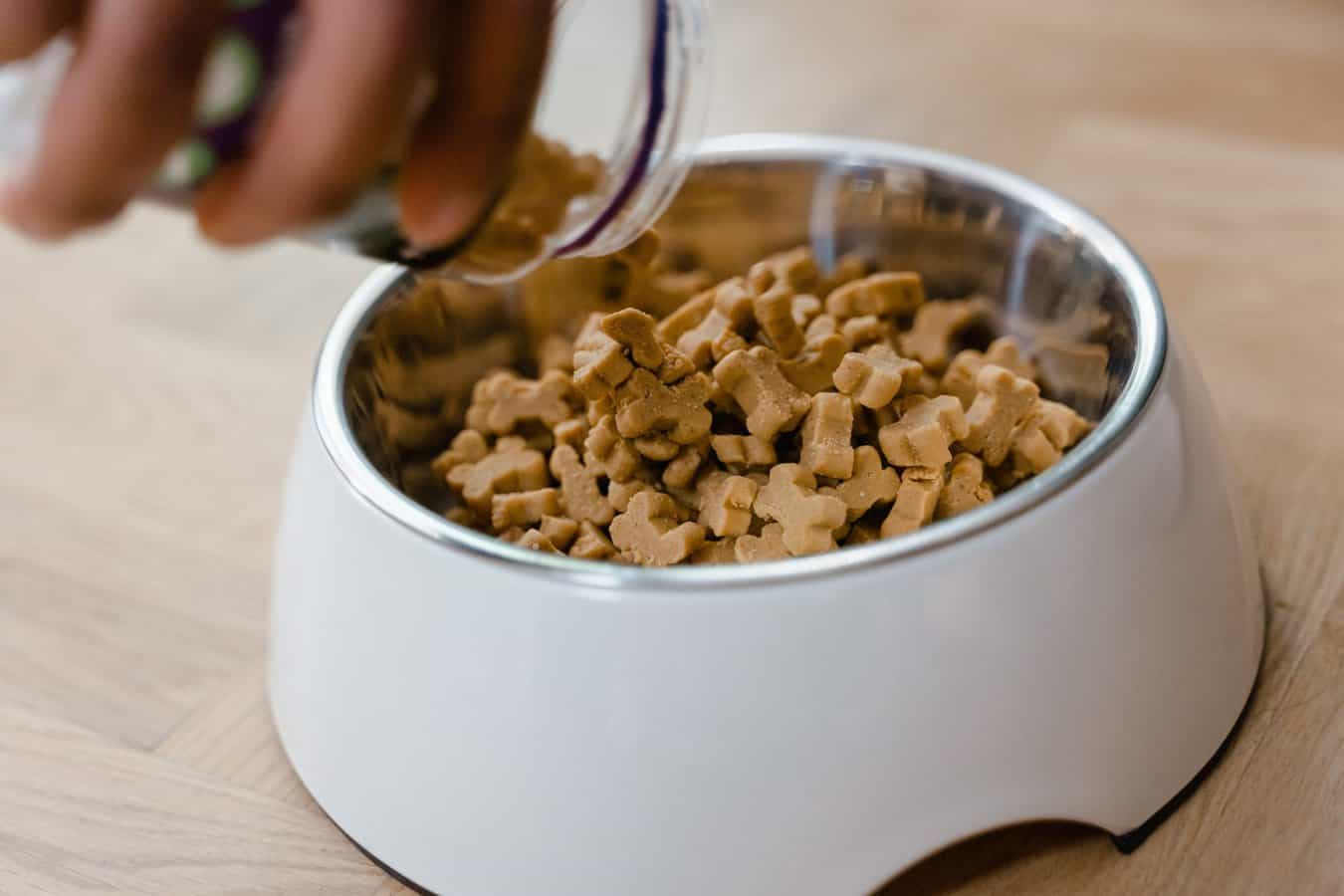
Switching food too fast will give your pug diarrhea — and that makes skin inflammation worse, not better. Here’s the transition schedule that minimizes digestive upset while getting your pug onto the best dog food for pug with skin allergies as quickly as safely possible.
The 10-Day Transition Schedule
| Day | New Food | Old Food |
|---|---|---|
| 1-2 | 25% | 75% |
| 3-4 | 50% | 50% |
| 5-6 | 75% | 25% |
| 7-8 | 90% | 10% |
| 9-10 | 100% | 0% |
During this transition, watch for loose stools, vomiting, or increased gas. If your pug’s digestion gets upset, slow down — extend each phase by an extra day. Pugs are notorious for sensitive stomachs, so patience pays off.
When Will You See Improvement?
Skin takes time to heal. Most pug owners see the first signs of improvement — less scratching, better coat shine — within 3-4 weeks on a new food. Full resolution of symptoms can take 8-12 weeks. Don’t switch again too soon; give the new food at least two months before deciding it’s not working.
If after 12 weeks your dog’s symptoms haven’t improved, it’s time to see your veterinarian. They may recommend a prescription hydrolyzed protein diet or allergy testing. Some pugs need a combination of dietary changes and medication to manage severe atopic dermatitis.
The Elimination Diet Approach
For pugs with severe or mysterious allergies, an elimination diet is the most reliable way to identify the trigger. Start with the most limited ingredient food on this list (Natural Balance LID Salmon & Sweet Potato) and feed only that — no treats, no table scraps, no flavored medications — for 12 weeks.
If symptoms clear up, you can slowly reintroduce ingredients one at a time to identify the specific allergen. This process takes commitment, but it’s the only way to know with certainty what’s causing your pug’s skin reactions. Most pug allergies trace back to chicken, beef, dairy, or wheat.
FAQ: Pug Skin Allergies and Diet
Can pugs be allergic to chicken?
Yes — chicken is actually the most common food allergen in dogs, and pugs are particularly susceptible. If your pug has been on a chicken-based food and shows skin symptoms, switching to a fish, turkey, or novel protein formula often brings noticeable improvement within weeks. Most of the foods we recommend above are specifically chicken-free for this reason.
How long before my pug’s skin improves on a new food?
Expect to see initial improvement in 3-4 weeks, with full results taking 8-12 weeks. The skin cycle in dogs takes about 21 days, so you’re waiting for a full skin cell turnover to see the new food’s effect. Don’t give up too early — switching foods every two weeks will only make things worse.
Should I add supplements to my pug’s food?
If you’re feeding one of the best dog food for pug with skin allergies options above, most are already formulated with adequate omega-3s. Adding a fish oil supplement can provide extra benefit for severely allergic pugs, but check with your vet first — too much omega-3 can cause loose stools and interfere with nutrient absorption. Never add supplements during an elimination diet, as they may contain hidden allergens.
Are grain-free diets safe for pugs?
The FDA investigated a potential link between grain-free diets (specifically those using peas, lentils, and potatoes as main carb sources) and dilated cardiomyopathy. While no definitive causal link was established, most veterinary nutritionists now recommend grain-inclusive diets for pugs unless there’s a diagnosed grain allergy. Since most pug skin allergies are protein-related rather than grain-related, foods with rice or oatmeal are generally the safer choice.
What about wet food versus dry kibble for pugs?
Both have pros and cons. Wet food has higher moisture content (good for overall hydration) and is easier for pugs with dental issues to eat. Dry kibble provides dental abrasion that helps reduce plaque — important for pugs who are prone to dental disease. Many pug owners feed a mix: dry kibble for meals with a spoonful of wet food mixed in for palatability and moisture. Just make sure both the wet and dry food use the same novel protein if you’re managing allergies.
My pug scratches all night — could it be food?
Nighttime scratching is a strong indicator of food allergies. When dogs are relaxed and not distracted, allergic itch becomes more noticeable. Environmental allergies (pollen, dust mites) tend to be seasonal and worse during the day after outdoor exposure. If your pug scratches consistently year-round, especially at night, food is the most likely culprit. Finding the right diet can make a dramatic difference in your dog’s quality of life and your own sleep.
You Might Also Enjoy
If you found this guide helpful, these related articles may also be useful for your pug’s health journey:
- Best Dog Food for French Bulldogs with Skin Allergies — Another brachycephalic breed with similar skin challenges
- Best Dog Shampoo for Bulldogs with Itchy Skin — Topical relief to pair with dietary changes
- Best Dog Food for Goldendoodles with Sensitive Stomachs — More limited ingredient diet options and transition tips
- Best Slow Feeder Bowls for Fast Eaters — Helpful if your pug gulps food, which worsens skin issues through poor digestion
- Best Dog Food for Dogs with Sensitive Stomachs — Broader guide on sensitive stomach nutrition
References: AKC Guide to Dog Food Allergies and American College of Veterinary Dermatology.