
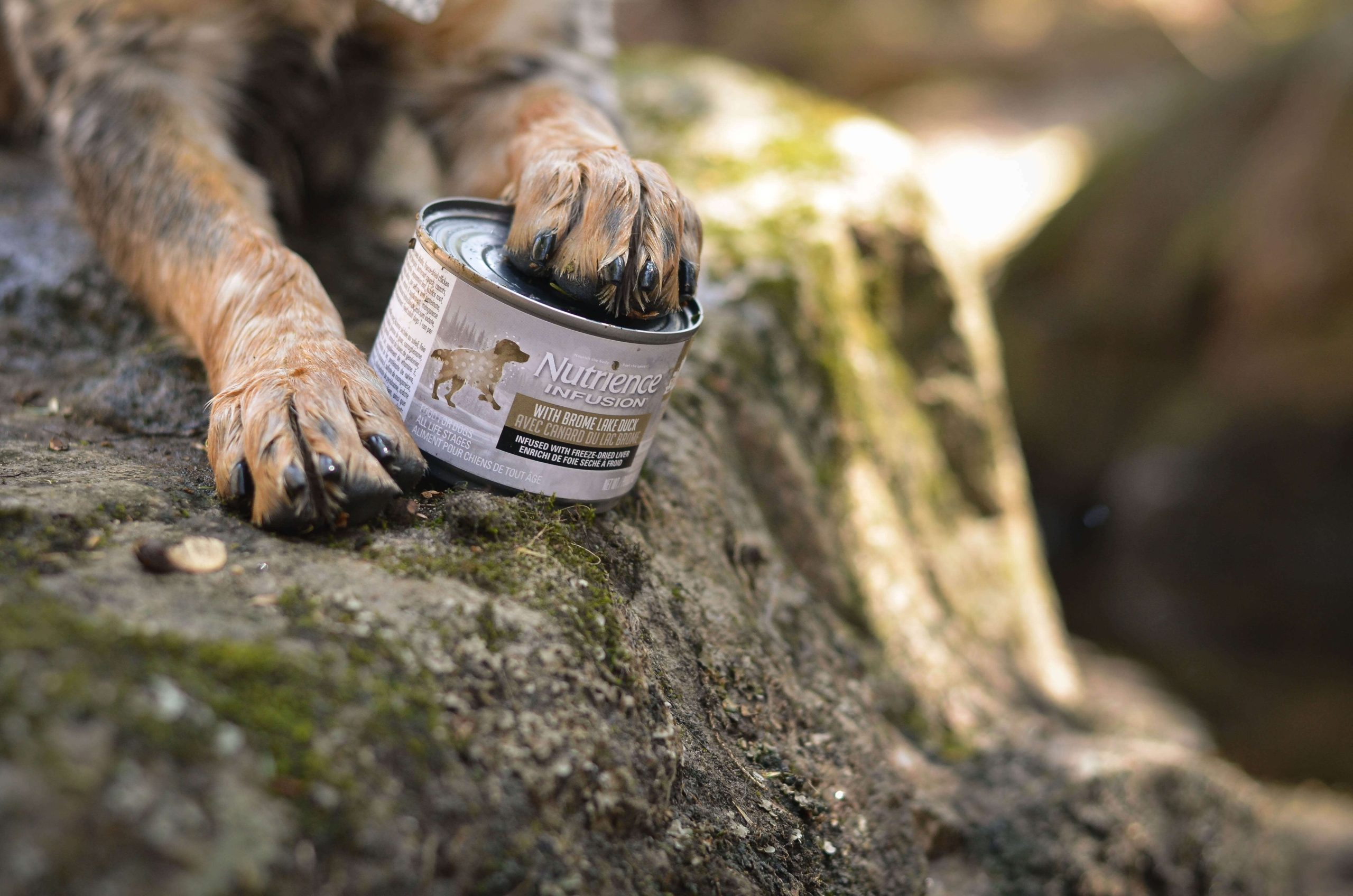
Finding the Best Dog Food for Sensitive Stomachs — What Actually Works
If your dog is dealing with loose stools, frequent vomiting, gas, or just seems uncomfortable after meals, you’re not alone. Digestive issues are one of the most common reasons dog owners start questioning what’s in the bowl. Finding the best dog food for sensitive stomachs can feel overwhelming — the pet food aisle is packed with claims, and not all of them hold up to scrutiny. The good news? A few well-formulated options consistently deliver real results for dogs with dog stomach problems.
We’ve researched the formulas, cross-referenced the ingredients with what veterinary nutritionists actually recommend, and pulled together the eight best picks for sensitive stomach dog food in 2026. Whether your dog has food allergies in dogs, chronic loose stools, or just a finicky gut, there’s something on this list for them. Let’s get into it.
What Causes Sensitive Stomachs in Dogs?
Before you can pick the right food, it helps to understand what’s actually going on in your dog’s digestive system. A “sensitive stomach” isn’t one condition — it’s an umbrella term that covers several different underlying causes. Knowing which category your dog falls into makes it much easier to choose a formula that genuinely helps.
Food allergies and intolerances are among the most common culprits. Dogs can develop reactions to proteins they’ve been exposed to repeatedly — chicken, beef, and dairy top the list. This is where a limited ingredient diet or novel protein approach comes in. By switching to a protein your dog has never eaten before (think salmon, venison, or duck), you eliminate the trigger entirely. The gut gets a chance to calm down, and symptoms often resolve within a few weeks.
Fiber imbalance is another big factor. Too little fiber and the digestive tract can’t maintain healthy motility — things slow down, bacteria imbalance follows, and you get soft stools or constipation. Too much insoluble fiber and you get the opposite. The best dog food for sensitive stomachs tends to include a careful balance of soluble and insoluble fiber sources like beet pulp, which slows digestion just enough to firm things up without causing blockages.
Gut microbiome disruption is increasingly recognized as a major driver of chronic digestive issues in dogs. Probiotics for dogs — live beneficial bacteria like Lactobacillus acidophilus and Bifidobacterium animalis — help restore microbial balance and support the intestinal lining. Some premium foods now include these directly in the formula, which is a meaningful addition. For more on this topic, check out our dog probiotics guide — it’s one of the most thorough resources we’ve put together on the subject.
Fat content also matters more than most people realize. High-fat diets can trigger pancreatitis and exacerbate digestive issues in sensitive dogs. A moderate fat profile — typically 10–15% on a dry matter basis — is usually much better tolerated. According to the American Kennel Club’s guide on canine digestive health, a dog’s digestive system is designed for high protein and moderate fat — not the fat-heavy, carb-dense formulas that dominate the budget segment of the market.
Stress, rapid diet changes, and eating too fast can also trigger flare-ups even in dogs without underlying food sensitivities. If you’re switching foods, always do it gradually over 7–10 days, mixing the new food in increasing amounts with the old.
How to Choose the Right Sensitive Stomach Dog Food
Not every dog with a sensitive stomach needs the same solution. A dog reacting to a specific protein needs something completely different from a dog with chronic loose stools caused by low fiber. Here’s what to look for — and what to avoid — when shopping for the best sensitive stomach dog food.
Look for a named protein as the first ingredient. “Chicken meal” or “salmon” as the first ingredient is a good sign. Vague terms like “meat by-products” or “animal digest” as primary ingredients are a red flag for dogs with food allergies in dogs or sensitivities, because you can’t always know exactly what proteins are present.
Consider a limited ingredient diet if your dog has suspected allergies. These formulas keep the ingredient list intentionally short — usually one protein, one carbohydrate, and minimal additives. Less chance of triggering a reaction, more clarity about what your dog is actually eating. A true limited ingredient diet will typically have fewer than 10 main ingredients.
Watch the fat content. For dogs prone to pancreatitis or very loose stools, look for formulas with fat at 15% or lower (on the guaranteed analysis). Some dogs tolerate higher fat fine; others fall apart. If you’re not sure where your dog falls, start leaner and adjust from there.
Prebiotics and probiotics are a genuine plus. Not just a marketing angle — fermentable fibers like inulin and chicory root act as food for beneficial gut bacteria, and some formulas now include live probiotic cultures that survive manufacturing. These additions can meaningfully support gut health over time.
Avoid artificial preservatives, colors, and flavors where possible. While these aren’t always the cause of digestive issues, they add unnecessary complexity to the formula and can be irritants for sensitive dogs. Clean formulas with natural preservatives like mixed tocopherols are usually a safer bet.
Consider your dog’s life stage. A senior dog with a sensitive stomach has different needs than a puppy — their digestive systems, protein requirements, and caloric needs all differ. If you have a young pup with tummy troubles, our best puppy food guide covers age-appropriate options. For older dogs dealing with both digestive and joint issues, our best dog food for senior dogs roundup is worth reading alongside this one.
Grain-free isn’t always the answer. Despite the marketing push, grain-free diets aren’t automatically better for sensitive stomachs. The FDA has been investigating a potential link between grain-free diets and dilated cardiomyopathy in dogs. Unless your dog has a confirmed grain allergy, a high-quality formula with easily digestible grains like rice is often just as effective — and potentially safer long-term.
The 8 Best Dog Foods for Sensitive Stomachs in 2026
These are our top picks for dog food for sensitive stomachs — chosen based on ingredient quality, formulation science, real-world user results, and veterinary backing. We’ve included options across different price points and formulation philosophies so you can find the right fit for your specific dog.
1. Hill’s Science Diet Sensitive Stomach & Skin (Adult)
Hill’s Science Diet has been a go-to recommendation from veterinarians for decades, and for good reason — their sensitive stomach dog food formula is backed by clinical nutrition research and made with highly digestible ingredients. The main protein is chicken, supported by prebiotic fiber from beet pulp that nourishes gut bacteria and promotes firm, healthy stools. The formula also includes vitamin E and omega-6 fatty acids for skin and coat health, which is a smart addition since gut and skin issues often travel together in sensitive dogs.
The kibble is moderately sized and easy to chew, which makes it a solid choice for adult dogs of most breeds. It’s not a limited ingredient diet, so if your dog has a confirmed chicken allergy, this isn’t the right pick — but for dogs with general digestive sensitivity rather than a specific protein allergy, it’s consistently one of the most effective options on the market. Many dog owners report firmer stools and reduced gas within the first two weeks. It’s also one of the few formulas that’s been through AAFCO feeding trials rather than just nutrient profiling, which means it’s been validated in real-world conditions.
Best for: Adult dogs with general digestive sensitivity, soft stools, or combined gut and skin issues.
2. Purina Pro Plan Sensitive Skin & Stomach (Salmon & Rice)
Purina Pro Plan’s Sensitive Skin & Stomach formula with salmon and rice is one of the most consistently recommended easy-to-digest dog foods by veterinary nutritionists. Salmon is the first ingredient, making it an excellent choice for dogs who’ve developed a sensitivity to more common proteins like chicken or beef. Rice is a highly digestible carbohydrate that’s gentle on the gut — it’s used for good reason in bland diets recommended during recovery from gastrointestinal upset. The formula also includes prebiotic fiber to support beneficial gut bacteria.
What separates Purina Pro Plan from a lot of competitors is the brand’s investment in nutritional research — they employ more PhD nutritionists and veterinarians than most other pet food companies. The salmon and rice combination is naturally lower in common allergens, and the formula is fortified with EPA and DHA from fish oil for additional skin and coat support. This is also a great bridge food for dogs transitioning off a prescription GI diet. Owners often describe it as the first food that finally “clicked” for their sensitive dogs after trying multiple options.
Best for: Dogs sensitive to chicken or beef, dogs needing a novel protein, dogs with both skin and digestive issues.
3. Hill’s Science Diet Sensitive Stomach & Skin 30lb (Best Value)
If you’ve already confirmed that Hill’s Science Diet works well for your dog, the 30lb bag is the smartest way to buy it. Same proven formula — chicken as the primary protein, beet pulp for prebiotic fiber, balanced omega-6 fatty acids — just more of it at a better per-pound price. For multi-dog households or large breeds going through food quickly, the value here is genuinely significant. This is the same sensitive stomach dog food that countless vets recommend; you’re just getting more of it for less.
One thing to keep in mind with larger bags: proper storage matters. Keep it in an airtight container in a cool, dry location to preserve freshness and prevent the fats from going rancid. If you’re buying in bulk, it’s worth investing in a good kibble storage container. The bag itself has a resealable closure, but an additional airtight container adds a meaningful layer of protection. Given that this formula relies on natural tocopherols as preservatives rather than artificial ones, freshness management is more important than it would be with cheaper, heavily-preserved formulas.
Best for: Existing Hill’s Science Diet users, large dogs, multi-dog homes looking to save on the best dog food for sensitive stomachs.
4. Purina Pro Plan Sensitive Skin & Stomach (Large 30lb Bag)
Same award-winning salmon and rice formula as pick #2, in the economy-sized 30lb bag. If the Purina Pro Plan Sensitive formula has been working wonders for your dog’s digestive issues, buying in bulk is an easy win — you get the same high-quality, vet-recommended dog food for sensitive stomachs at a lower cost per serving. The salmon-first formula with oat meal and rice remains one of the most trusted options for dogs with chronic GI sensitivity, and the larger bag makes it practical for bigger dogs or owners who want to minimize how often they’re reordering.
One advantage of the larger Pro Plan bags is that they tend to be available through Purina’s auto-ship program on Amazon, which stacks additional savings on top of the already better per-pound price. For a dog who’ll be on a sensitive stomach formula long-term — which is often the case with chronic digestive issues — setting up an auto-ship for this size is one of the more practical ways to manage the cost of premium nutrition. Storage advice is the same as above: airtight container, cool and dry location, ideally used within 6 weeks of opening.
Best for: Large dogs, budget-conscious owners who’ve confirmed Purina Pro Plan works for their dog’s sensitive stomach.
5. Purina ONE +Plus Sensitive Skin & Stomach
Purina ONE +Plus is positioned a step below Pro Plan in terms of price, making it one of the most accessible options on this list for owners who want quality sensitive stomach dog food without the premium price tag. The formula is built around real salmon as the first ingredient, with rice and oatmeal providing digestible carbohydrates and gentle fiber. It also includes guaranteed levels of live probiotics — a genuine differentiator at this price point — which supports the gut microbiome and can meaningfully reduce the frequency of soft stools and digestive upset over time.
This is a particularly good pick for dogs who don’t have severe or diagnosed allergies but just seem to do better on simpler, gentler formulas. The probiotics for dogs inclusion is real and not just marketing — Purina has published research on the viability of their probiotic strains through the manufacturing and shelf-life process. For small breed dogs, it’s worth pairing this with a size-specific look at our best dog food for small breeds guide, which covers additional considerations for dogs under 20 pounds. Small breeds often have faster metabolisms and different digestive quirks that this formula handles well.
Best for: Budget-conscious owners, dogs with mild to moderate digestive sensitivity, small to medium breeds.
6. Natural Balance Limited Ingredient Diet (Salmon & Sweet Potato)
If you’ve gone through the process of an elimination diet and confirmed your dog has a specific protein or grain allergy, Natural Balance’s limited ingredient diet with salmon and sweet potato is one of the cleanest options available in standard retail. The formula contains a deliberately short ingredient list — salmon as the sole animal protein, sweet potato as the primary carbohydrate, and a minimal set of vitamins and minerals. No chicken, no beef, no corn, no wheat, no soy. For dogs with confirmed food allergies in dogs, this simplicity is the entire point.
Sweet potato is an excellent carbohydrate for sensitive dogs — it’s rich in soluble fiber, which helps regulate digestion and feeds beneficial gut bacteria. It also provides beta-carotene, potassium, and B vitamins. This formula is also grain-free, which matters for the subset of dogs with true grain intolerances (distinct from the broader population of dogs who just do fine on grain-free but don’t actually need it). The kibble size is moderate, suitable for most adult dogs. Natural Balance has had some quality control issues historically, so always check the freshness date and source from reputable retailers. Overall, for dogs who genuinely need a stripped-down formula, this delivers.
Best for: Dogs with confirmed protein or grain allergies, dogs coming off an elimination diet, owners who need full ingredient transparency.
7. Royal Canin Digestive Care
Royal Canin takes a different approach than most brands — rather than leaning on marketing language, they design formulas based on specific physiological needs, often with veterinary input at every stage. Their Digestive Care formula is specifically engineered to support gut barrier function, promote a balanced intestinal flora, and optimize stool quality. The protein sources are highly digestible, and the formula includes a specific blend of fibers — including psyllium, which is well-known for its stool-firming properties — that works on both sides of the digestive equation.
This is one of the few mass-market formulas where you can genuinely say the science supports the claims on the bag. Royal Canin uses a characteristic kibble shape designed to encourage chewing, which aids digestion before food even reaches the stomach. It’s not a limited ingredient diet and doesn’t use a novel protein, so it’s not the best choice for dogs with specific protein allergies — but for dogs whose digestive issues stem from motility problems, bacterial imbalance, or general gut sensitivity rather than an immune reaction, it’s one of the best-targeted formulas available. Frequently recommended by gastroenterology specialists for dogs with chronic diarrhea.
Best for: Dogs with chronic loose stools or poor stool quality, dogs post-GI illness, owners who want a formula with strong veterinary backing.
8. Blue Buffalo Sensitive Stomach
Blue Buffalo’s Sensitive Stomach formula rounds out our list with a solid mid-range option that brings together deboned chicken, brown rice, and oatmeal in a formula free from corn, wheat, and soy. Blue Buffalo includes their signature “LifeSource Bits” — a blend of antioxidants, vitamins, and minerals cold-formed separately from the kibble to preserve potency. For dogs with sensitive stomachs who also need immune system support, this addition is a meaningful bonus. The formula also includes pumpkin, which is a natural digestive aid that many dog owners swear by separately.
Blue Buffalo has faced scrutiny in the past over ingredient labeling discrepancies, and they’ve made significant improvements to their quality control processes in recent years. That said, some dogs with chicken sensitivities won’t do well on this formula, since chicken is the primary protein. For those dogs, the Natural Balance or Purina Pro Plan Salmon picks further up the list will be a better fit. For dogs without specific protein sensitivities, though, Blue Buffalo Sensitive Stomach is a palatable, reasonably priced option that many owners find effective for mild to moderate dog stomach problems. The chicken flavor also tends to be highly palatable, which helps with picky eaters.
Best for: Dogs with mild sensitivity to common grains, owners looking for a natural-ingredient formula at a mid-range price point.
Transitioning to a New Sensitive Stomach Formula — Do It Right
One of the most common mistakes owners make when switching to a dog food for sensitive stomachs is doing it too quickly. Even the best-formulated food can cause temporary digestive upset if introduced abruptly — the gut microbiome needs time to adapt to a new food profile. A rushed transition can make it look like the new food isn’t working, when in reality the dog just needed more time to adjust.
The standard recommendation is a 7–10 day transition, but for dogs with severe digestive issues, 14 days is often better. Start with 75% old food and 25% new food for the first 3 days. Move to a 50/50 split for days 4–6. Then 25% old and 75% new for days 7–9. Full switch by day 10. If you see significant vomiting, diarrhea, or loss of appetite at any stage, slow down and hold that ratio an extra few days before moving forward.
It’s also worth keeping a simple food diary during the transition. Note any symptoms, stool quality changes, and appetite levels. If the new formula isn’t helping after a full 4–6 weeks on it (post-transition), it’s time to reassess whether the root cause is something other than food — parasites, IBD, EPI, and other conditions can mimic simple dietary sensitivity and require veterinary diagnosis.
Our Verdict: Which Sensitive Stomach Dog Food Should You Buy?
If we had to pick one winner for most dogs, it’s the Purina Pro Plan Sensitive Skin & Stomach (Salmon & Rice). The novel protein approach, the proven formulation, the research backing, and the palatability make it the most broadly effective best dog food for sensitive stomachs for the widest range of dogs. It works for dogs with specific protein sensitivities, dogs with general GI sensitivity, and dogs dealing with both skin and digestive issues at the same time.
If budget is the primary consideration, Purina ONE +Plus Sensitive Stomach gives you a real probiotic-included formula at a lower price — a genuinely solid pick that punches above its weight class. And if your dog has confirmed, specific allergies and needs the cleanest possible formula, Natural Balance Limited Ingredient (Salmon & Sweet Potato) is the right call — fewer ingredients means fewer opportunities for a reaction.
Whatever you choose, remember that the best sensitive stomach dog food is the one that your specific dog does well on — not just the one with the most impressive marketing claims. Watch how your dog responds over 4–6 weeks, keep notes, and don’t hesitate to loop in your vet if things aren’t improving. Chronic digestive issues that don’t respond to dietary changes almost always have an underlying cause worth investigating.
Finding the right dog food for sensitive stomachs is one of the most meaningful things you can do for your dog’s quality of life. A dog who isn’t dealing with constant digestive discomfort is a happier, more energetic, more comfortable companion. It’s worth the effort to get it right.
You Might Also Enjoy
- Best Dog Food for Senior Dogs in 2026 — Nutrition-first picks for aging dogs with changing digestive and joint needs.
- Best Puppy Food in 2026 — Top-rated formulas for growing puppies, including options for sensitive young stomachs.
- Complete Guide to Dog Probiotics — Everything you need to know about benefits, top products, and how to choose the right probiotic for your dog.
- Best Dog Food for Small Breeds in 2026 — Breed-specific picks for small dogs, including options for sensitive digestive systems.