

Why Pugs Are Prone to Sensitive Stomachs
If you’re reading this at 2 AM while your pug stares at you with those big eyes and an upset tummy, you’re not alone. Pugs are one of the breeds most likely to struggle with digestive issues, and finding the best dog food for pug with sensitive stomach problems can feel like a never-ending guessing game.
The reason? It starts with that adorable flat face. When you’re searching for the best dog food for pug with sensitive stomach issues, understanding why pugs struggle is the first step. Pugs are brachycephalic, meaning their skull shape compresses the airway and the entire upper digestive tract. When a pug eats, they tend to gulp air along with their food — more air than longer-snouted breeds. That air has to go somewhere, and it often leads to bloating, flatulence, and regurgitation.
Their compact body shape doesn’t help either. A pug’s short torso means less room for the stomach and intestines to do their work comfortably. Food moves through a smaller space, which can trigger irritation and inconsistent digestion. Add in a tendency toward food allergies — pugs rank among the top breeds for allergic skin and GI reactions — and you’ve got a recipe for frequent tummy trouble.
Common digestive issues in pugs include chronic flatulence (the kind that clears a room), intermittent diarrhea, regurgitation right after eating, and food sensitivities that develop over time. What looks like “just a pug thing” might actually be your dog reacting to ingredients that don’t sit well with their system. That’s exactly why choosing the best dog food for pug with sensitive stomach needs isn’t just helpful — it can genuinely change your dog’s quality of life.
What to Look for in Dog Food for Pugs with Sensitive Stomachs
Not every sensitive stomach dog food is right for a pug. Their needs are specific, and the wrong formula — even a premium one — can fall flat if it doesn’t account for how pugs physically eat and digest. When evaluating the best dog food for pug with sensitive stomach symptoms, here’s what matters most.
Small Kibble Size
This is non-negotiable for brachycephalic breeds. The best dog food for pug with sensitive stomach issues will always specify small kibble. Pugs can’t pick up large kibble the way a Labrador can. They end up gulping it whole, which means more air intake and worse digestion. The best dog food for pug with sensitive stomach issues will specifically say “small breed” or “mini kibble” on the bag. If the kibble is bigger than a pea, it’s too big.
Limited Ingredient Diets
Fewer ingredients means fewer potential triggers. Any genuine best dog food for pug with sensitive stomach needs should use a limited ingredient approach — stripping the formula down to one protein source and a small number of carbohydrates. This makes it easier to pinpoint what’s causing the reaction — and easier to avoid it.
Novel Proteins
Chicken and beef are the most common allergens in dog food. If your pug has been eating chicken-based kibble their whole life, their immune system may have developed a sensitivity to it. Formulas with salmon, duck, lamb, or venison give your dog a protein source their body hasn’t been exposed to repeatedly, which reduces the chance of an allergic response.
Prebiotics and Probiotics
A pug’s gut microbiome plays a huge role in their digestion. Sensitive stomach dog food with added prebiotics (which feed good bacteria) and probiotics (which add good bacteria directly) helps restore balance. If your pug has been on antibiotics or has chronic loose stools, these additions can make a real difference.
Grain-Free vs. With Grains
Here’s the nuanced take: grain-free isn’t automatically better for sensitive stomachs. In fact, the FDA has investigated a potential link between grain-free diets and canine dilated cardiomyopathy (DCM). Whole grains like rice and oatmeal are actually gentle on most pug stomachs. Unless your vet has specifically diagnosed a grain allergy, a sensitive stomach dog food with wholesome grains is often the safer choice.
No Artificial Junk
Artificial preservatives, colors, and fillers (like corn gluten meal and soy) are hard on any dog’s digestion, but pugs feel it more because of their already-sensitive systems. The best dog food for pug with sensitive stomach issues keeps these out entirely.
Best Dog Food for Pugs with Sensitive Stomachs (Product Reviews)
1. Purina Pro Plan Sensitive Skin & Stomach Small Breed Salmon & Rice
Purina Pro Plan’s Sensitive Skin & Stomach line is one of the most trusted names in sensitive stomach dog food, and the small breed version is built with pugs in mind. The salmon-based protein is easy to digest and far less likely to trigger allergies than chicken or beef. It’s also packed with omega-6 fatty acids and zinc, which support the skin barrier — important because pugs with food sensitivities often show symptoms on their skin first.
The kibble is specifically sized for small jaws. Your pug can pick it up, chew it, and actually digest it instead of inhaling it whole. The formula includes prebiotic fiber to promote beneficial gut bacteria and live probiotics for digestive health. Rice serves as the primary carb, which is one of the gentlest grains available for dogs.
Purina’s decades of veterinary nutrition research back this formula, and it shows — it’s consistently rated as one of the best dog food for pug with sensitive stomach options by both vets and owners. The main drawback is the price point, which sits above average. Some pug owners also note that the strong fish smell can be off-putting for humans, though dogs tend to love it.
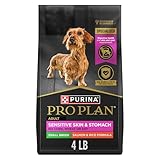
- Formulated high in protein to meet the needs of highly active small dogs
- High protein formula, with real salmon as the first ingredient
- Fortified with guaranteed live probiotics for digestive and immune health
- Used to be known as FOCUS Sensitive Skin and Stomach Salmon
- Sunflower oil rich in omega-6 fatty acids for healthy skin and coat

2. Hill’s Science Diet Sensitive Stomach & Skin Small & Mini
Hill’s Science Diet is a veterinary-recommended staple, and their Sensitive Stomach & Skin formula for small and mini breeds addresses the exact issues pugs face. The recipe uses prebiotic fiber to fuel gut bacteria and includes a clinically proven antioxidant blend that supports your pug’s immune system — which matters because chronic stomach issues can weaken immunity over time.
The small kibble size works well for brachycephalic mouths, and the chicken-based protein is easy on most stomachs (though if your pug has a known chicken allergy, you’ll want to skip this one). Hill’s also adds omega-6 fatty acids and vitamin E for skin health, recognizing that stomach and skin sensitivities often go hand-in-hand in pugs.
One thing that sets this formula apart: it’s backed by decades of feeding trials, not just lab analysis. That means real pugs (and other small breeds) have actually thrived on it. The downside is that chicken is the primary protein, which won’t work for every sensitive pug. It’s also slightly more expensive than some grocery-store alternatives, but the quality justifies the cost for most owners.
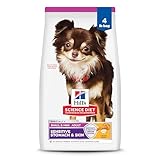
- UPDATED FORMULA: Triple support for stomach, skin and immune system health
- Highly digestible formula with prebiotic fiber that is gentle on the stomach for optimal nutrient absorption
- Enriched with Vitamin E and Omega-3 & 6 fatty acids, for healthy skin and a lustrous coat
- Clinically proven antioxidants, Vitamin C+E, for a healthy immune system
- 27 key nutrients, including essential vitamins, minerals, and omega 3 & 6 fatty acids. Complete and balanced nutrition for adult dogs’ health
3. Blue Buffalo Basics Small Breed Skin & Stomach Care Turkey & Potato
Blue Buffalo’s Basics line is designed specifically for dogs with food sensitivities, and the small breed turkey and potato formula is a solid pick for pugs. Turkey is a novel protein for many dogs who’ve been eating chicken-based foods, and potato serves as a digestible carbohydrate that’s gentle on inflamed stomachs. The limited ingredient approach means fewer variables if a reaction occurs.
The kibble is sized for small mouths, and the formula includes Blue’s exclusive LifeSource Bits — a blend of antioxidants, vitamins, and minerals that support overall health. It also contains prebiotic fiber to promote healthy digestion and omega fatty acids for skin and coat support. For pug digestion, the combination of a single animal protein and potato is about as gentle as it gets in dry kibble.
The trade-off with Blue Buffalo Basics is that some pugs take time to adjust to the taste, and the price is on the higher side. A few owners have mentioned that the LifeSource Bits sometimes separate from the main kibble, meaning your pug might eat around them. But as a limited ingredient dog food for pugs with genuine sensitivities, it delivers where it counts.

- REAL MEAT TURKEY FIRST: This Blue Buffalo dry dog food is made with real, high-quality turkey as the #1 ingredient
- ADULT SMALL BREED FORMULA: This natural dog food for small breeds supports gentle digestion and is balanced to support higher energy needs
- IMMUNE SYSTEM SUPPORT: This dry dog food contains exclusive, antioxidant-rich LifeSource Bits
- HEALTHY, WHOLESOME INGREDIENTS: This Blue Buffalo dog food is made with no chicken (or poultry) by-product meals, and no corn, wheat, or soy
- Contains: One (1) 4-lb bag of BLUE Basics Skin & Stomach Care Adult Small Breed Dry Dog Food, Turkey & Potato Recipe
4. Natural Balance LID Small Breed Salmon & Sweet Potato
Natural Balance’s Limited Ingredient Diet (LID) line is a go-to for pugs with confirmed food allergies. The salmon and sweet potato formula keeps it simple: one animal protein, one primary carbohydrate, and that’s it. This makes it one of the best dog food for pug with sensitive stomach issues when you’re trying to identify specific triggers through elimination.
The small breed kibble is appropriately sized for pug mouths, and the formula is entirely free of artificial colors, flavors, and preservatives. Sweet potato provides fiber and slow-digesting carbs that help stabilize blood sugar — a consideration for pugs, who can be prone to weight gain. Salmon delivers omega-3 fatty acids that reduce inflammation throughout the digestive tract.
Natural Balance has been doing LID formulas longer than almost anyone, and their experience shows. The formula is consistent batch after batch, which matters because any change in ingredients can set a sensitive pug’s stomach off. The main con is that the protein content is moderate rather than high, which is fine for most pugs but may not satisfy highly active ones. Some pugs also find the formula less palatable than chicken-based options at first.

- Single Animal Protein Nutrition: Natural Balance Small Breed Grain-Free Dry Dog Food features bison, a rich primary animal protein to help support strong muscles while delivering complete dog nutrition
- Sensitive Stomach Support: Crafted with easily-digestible ingredients, this grain-free recipe helps support sensitive stomachs while promoting balanced digestion and daily comfort for small dogs
- Skin & Coat Nourishment: A nutritious blend helps support healthy skin and a shiny coat while providing balanced nourishment for small breed dogs
- Wholesome Daily Nutrition: Made with natural ingredients, this limited ingredient formula helps deliver immune system support and overall well being through dependable nutrition
- Vet Recommended: Natural Balance crafts only the most nutritious food and treats that dogs and cats will love and parents can trust
5. Wellness Simple LID Small Breed Salmon & Potato
Wellness Simple takes the limited ingredient concept and pairs it with a small breed-specific kibble that’s ideal for brachycephalic dogs. The salmon and potato formula provides a single, easily digestible protein source paired with a gentle carbohydrate — no filler grains, no mystery by-products. For pug digestion, that simplicity is often exactly what the gut needs to calm down.
Beyond the basics, Wellness Simple adds prebiotics to feed beneficial gut bacteria and omega fatty acids from flaxseed and salmon oil. The kibble size is designed for toy and small breed jaws, so your pug can actually chew it before swallowing. This means less air intake during meals and better nutrient absorption overall.
Where Wellness Simple really shines for pugs is in its purity of formulation. It contains no meat by-products, wheat, corn, soy, dairy, or eggs — all common allergens for small breeds. The trade-off is availability; some regions carry it inconsistently, and the price per pound is in the premium range. But if you’ve struggled to find the best dog food for pug with sensitive stomach flare-ups, this formula’s clean ingredient list makes it worth seeking out.

- LIMITED INGREDIENT SMALL BREED ADULT DOG FOOD: All natural, limited ingredient recipe crafted with a single source of protein from salmon, and expertly balanced with easily digestible carbohydrates from potatoes, without any extra fillers.
- SUITABLE FOR DOGS WITH FOOD SENSITIVITIES & ALLERGIES: This limited ingredient recipe nourishes simply and completely, with high quality ingredients your dog needs to thrive.
- SUPPORTS DIGESTIVE HEALTH AND SKIN & COAT HEALTH: Contains natural prebiotics for a healthy digestive system, vitamins for a strong immune system, taurine for a healthy heart and omega fatty acids for a healthy coat and skin.
- NO CORN, WHEAT, OR SOY: Adult dry dog food doesn't contain poultry by-products, wheat, wheat gluten, corn, soy, dairy, eggs, artificial colors, or preservatives. Manufactured in a facility that also processes grains.
- MADE IN USA: Using only the finest globally sourced ingredients, we prepare each of our diets in our own state of the art facility; recipes crafted with wholesome, non-GMO ingredients chosen for their nutritional benefits
6. Go! Solutions Sensitivities LID Small Bites Salmon
Go! Solutions Sensitivities is the newer kid on the block in the limited ingredient space, but it’s earned its place on this list. The small bites formula uses salmon as the sole animal protein and includes prebiotic fiber from chicory root to support gut health. For pugs who’ve tried other sensitive stomach dog food options without success, Go! Solutions offers a fresh formula with a different approach to fiber and nutrient delivery.
The kibble is genuinely tiny — smaller than most small breed formulas — which makes it one of the best options for pugs who struggle with kibble size. Even pugs with dental issues or extreme brachycephalic features can manage these bites. The formula also includes coconut oil, which provides medium-chain triglycerides that are easy to digest and can help soothe an irritated gut lining.
The potential downsides are worth knowing: Go! Solutions is one of the pricier options, and it’s not as widely available as Purina or Hill’s. Some pug owners report that the high fat content (from salmon and coconut oil) can cause loose stools during the transition period, so you’ll want to shift over even more gradually than usual. Still, for pugs who need a truly novel approach to sensitive stomach dog food, this formula deserves a close look.

- Real Fish as the #1 Ingredient: This chicken-free recipe features premium-quality salmon as the #1 ingredient and single source of novel animal protein for a drool-worthy taste in every bite
- Limited Ingredients for Food Allergies & Sensitivities: Formulated by pet nutrition experts using as few key ingredients as possible to support the needs of pets with food sensitivities and limit exposure to food intolerance triggers
- Supports Healthy Digestion: Expertly crafted to support your dog's sensitive stomach with prebiotic fiber from dried chicory root for healthy gut bacteria and good digestion
- Small-Sized Kibble for Tiny Mouths: Perfectly sized for small breed and toy breed dogs like Frenchies, Shih Tzus, Chihuahuas, Yorkies, Pomeranians, Pugs, and Dachshunds, or dogs that just prefer a smaller kibble
- Grain-Free & Gluten-Free Recipe: Crafted without any grains or gluten to help limit exposure to common food intolerance triggers while providing easy-to-digest ingredients to support healthy energy levels
7. Hill’s Science Diet Sensitive Stomach & Skin Wet Small & Mini
Not every pug does well on dry kibble. Some pugs — especially seniors, those with dental problems, or pugs who regurgitate dry food — need a wet option. Hill’s Science Diet Sensitive Stomach & Skin Wet Small & Mini is specifically formulated for these dogs, and it’s the best wet dog food for pug with sensitive stomach issues we’ve found.
The wet texture means your pug doesn’t need to chew extensively, which is a real advantage for brachycephalic breeds who struggle with mastication. It also means less air intake during eating and more moisture per bite — hydration that helps move food through the digestive tract more smoothly. The formula includes prebiotic fiber and easy-to-digest ingredients, maintaining the same digestive support as the dry version.
The downside of wet food is cost per calorie — you’ll pay more per feeding than with dry kibble. It also doesn’t provide the dental benefits that crunchy kibble offers, so you’ll need to stay on top of dental care. Some pug owners solve this by mixing wet and dry, getting the best of both worlds. If your pug has been struggling with kibble of any kind, this wet formula from Hill’s is worth trying before you assume no food will work.

- High-quality protein to help senior dogs maintain lean muscle
- Made with purposeful, easily digestible ingredients older dogs enjoy
- Formulated with key nutrients to support dogs aged 7 and older
- Scrumptious wet food in a convenient, single-serve tray
- Made with natural ingredients with added vitamins, minerals and amino acids
Dry vs. Wet Food for Pugs with Sensitive Stomachs
The dry-versus-wet debate gets especially important when you’re choosing the best dog food for pug with sensitive stomach needs, because pugs have physical traits that affect how they handle each type.
Dry kibble has the advantage of dental benefits — the crunch helps scrape plaque from teeth, which matters for pugs (they’re prone to dental disease). It’s also more affordable per calorie and easier to store. The catch? Pugs with brachycephalic faces sometimes struggle to pick up kibble, and they can inhale it whole, which worsens air intake and flatulence.
Wet food is easier to eat, requires less chewing, and adds moisture to the digestive process. For pugs who regurgitate kibble or have dental pain, wet food can be a revelation. But it’s more expensive, spoils quickly once opened, and doesn’t help with dental health at all.
The mixed approach is what many vets recommend for pug sensitive stomach cases. Adding a spoonful or two of wet food to dry kibble gives you the dental benefit and cost savings of dry food while making the meal more palatable and easier to digest. It also helps with hydration, which supports healthy digestion overall.
When transitioning between food types, go gradually. If you’re switching from dry to wet or adding wet as a topper, start with 75% old format and 25% new format, then adjust over a week. Your pug’s stomach needs time to adapt to the change in moisture and nutrient density, even if the core ingredients stay the same.
How to Switch Your Pug’s Food Without Causing More Stomach Issues
Switching your pug’s food too quickly is the fastest way to make stomach problems worse. Even the best dog food for pug with sensitive stomach conditions can cause diarrhea and vomiting if you switch overnight. Here’s the 7-day transition schedule that gives your pug’s gut the best chance to adapt.
| Day | New Food | Old Food |
|---|---|---|
| Day 1-2 | 25% | 75% |
| Day 3-4 | 50% | 50% |
| Day 5-6 | 75% | 25% |
| Day 7 | 100% | 0% |
Measure carefully — guessing the ratios leads to uneven transitions. If at any point your pug develops diarrhea or refuses to eat, hold at the current ratio for an extra day or two before moving forward. Rushing the schedule won’t speed up the results; it’ll only set you back.
Signs the new food is working: stools become consistently formed (think play-dough texture), flatulence decreases, your pug eats eagerly rather than hesitantly, and energy levels normalize. You’ll typically see these improvements within 5-10 days of reaching 100% new food, though some pugs show progress sooner.
Red flags that mean you should see your vet: blood in stool, vomiting that lasts more than 24 hours, complete food refusal for more than a day, lethargy or signs of pain, and diarrhea that doesn’t improve after the transition period. These could indicate something beyond food sensitivity — like inflammatory bowel disease, pancreatitis, or a blockage — and need professional attention.
Signs Your Pug Might Have a Sensitive Stomach
Pugs are dramatic little dogs, and some gas after meals is genuinely normal for the breed. But there’s a difference between “pug being a pug” and a genuine food sensitivity. Recognizing that difference is what drives pug owners to find the best dog food for pug with sensitive stomach relief. Knowing the difference helps you figure out whether it’s time to switch to a sensitive stomach dog food or if something else is going on.
Watch for these symptoms:
- Chronic or recurring loose stools and diarrhea
- Excessive flatulence that’s worse than typical pug levels
- Regurgitation right after eating (different from vomiting — the food comes back up undigested)
- Grass eating more than occasionally
- Lip smacking, drooling, or gulping that suggests nausea
- Itchy skin, ear infections, or paw licking (these often accompany food allergies)
- Reluctance to eat or picking at food
When these symptoms appear consistently after meals, that’s your signal to look into the best dog food for pug with sensitive stomach needs. Occasional gas or a single loose stool? Probably not cause for alarm. Regular patterns of discomfort after eating? Time to make a change.
When to see the vet: If symptoms persist for more than a few days after switching food, if your pug loses weight, if vomiting is frequent, or if diarrhea is accompanied by lethargy, don’t wait. Chronic stomach issues in pugs can point to conditions like inflammatory bowel disease, food allergies, or even structural problems that need medical treatment — not just a food change.
Frequently Asked Questions
Can pugs eat grain-free dog food?
They can, but it’s not automatically better for pug digestion. The FDA has investigated a potential link between grain-free diets and dilated cardiomyopathy (DCM) in dogs. Unless your vet has specifically diagnosed a grain allergy, a dog food for pugs that includes wholesome grains like rice or oatmeal is often gentler on the stomach and safer for the heart. Grain-free isn’t the same as hypoallergenic — and the best dog food for pug with sensitive stomach issues might actually include grains.
How long does it take for a new food to help my pug’s stomach?
Most pugs show improvement within 7-14 days of fully transitioning to a new food. The 7-day transition itself doesn’t count — you need to give the new food time to work after your pug is eating 100% of it. If you don’t see improvement after two to three weeks, it may be time to try a different formula or talk to your vet about underlying issues.
Should I add probiotics to my pug’s food?
Yes, probiotics can genuinely help pug sensitive stomach issues. Many of the top-rated best dog food for pug with sensitive stomach picks already include probiotics, but adding a separate supplement gives you more control over the strains and dosage. Look for a dog-specific probiotic with multiple strains (not just one), and introduce it gradually — probiotics can cause temporary gas as the gut adjusts, which is the last thing a gassy pug needs more of.
What ingredients should pugs with sensitive stomachs avoid?
The biggest offenders are: chicken and beef (common allergens for pugs), corn and soy (fillers that are hard to digest), artificial colors and preservatives, high-fat content (can trigger pancreatitis in pugs), dairy (most dogs are lactose intolerant), and unnamed “meat by-products”. That’s why the best dog food for pug with sensitive stomach formulas avoids all of these. (you should always know exactly what protein source your pug is eating). Any pug sensitive stomach dog food worth buying avoids most or all of these.
Is chicken a common allergen for pugs?
Yes — chicken is one of the most common food allergens in pugs specifically. That’s a key reason why the best dog food for pug with sensitive stomach reactions uses alternative proteins. Because chicken is in nearly every standard dog food, pugs are exposed to it repeatedly, and their immune systems can develop sensitivities over time. If your pug has been on a chicken-based kibble and has persistent stomach or skin issues, switching to a novel protein like salmon, duck, or lamb is a smart first step when choosing the best dog food for pug with sensitive stomach problems.
Final Verdict
After going through every formula, the Purina Pro Plan Sensitive Skin & Stomach Small Breed Salmon & Rice takes our top pick as the best dog food for pug with sensitive stomach relief. Here’s why: the salmon protein is gentle and novel for most pugs, the small kibble size is designed for brachycephalic mouths, the prebiotic and probiotic blend supports gut health, and Purina’s track record with feeding trials gives confidence that the formula actually works in real dogs — not just on paper.
Best budget pick: Hill’s Science Diet Sensitive Stomach & Skin Small & Mini delivers proven results at a slightly lower price point than most premium LID options. If your pug tolerates chicken well, this is the most cost-effective choice that still checks the boxes for small kibble size and digestive support.
Best wet food option: Hill’s Science Diet Sensitive Stomach & Skin Wet Small & Mini is the way to go for pugs who can’t handle dry kibble — whether due to dental issues, regurgitation, or extreme brachycephalic features. It’s the same trusted formula in a format that’s easier to eat and gentler on the digestive tract.
Whatever you choose, remember: transition slowly, watch for improvements over two weeks, and talk to your vet if symptoms persist. Finding the best dog food for pug with sensitive stomach needs is the one your individual pug actually tolerates well — and that might take a try or two to find. Stick with it. Your pug’s comfort (and your air quality) are worth it.