
If your German Shepherd keeps shaking their head, pawing at their ears, or leaving brown discharge on your furniture, you already know how stubborn ear problems can be. Recurrent ear infections are one of the most common reasons GSD owners end up at the vet, and while drops and cleaners help in the moment, many owners overlook the role that diet plays in breaking the cycle. Choosing the best dog food for German Shepherds with ear infections is not a silver bullet, but it can be a powerful part of a broader management plan that addresses the root inflammation instead of just treating symptoms.
German Shepherds are genetically predisposed to german shepherd allergies, which often show up first in the ears. Food sensitivities, environmental triggers, and even stress can weaken the skin barrier inside the ear canal, creating the warm, moist environment yeast and bacteria love. The right food cannot eliminate every trigger, but it can strengthen the immune response, reduce systemic inflammation, and support the gut-skin axis that keeps your dog’s ears healthier between flare-ups.
This guide walks through the dietary factors that matter most, reviews top formulas worth considering, and explains how to layer diet changes alongside veterinary care, grooming, and environmental management for the best long-term results.
Why German Shepherds Are Prone to Ear Infections
Understanding why your GSD keeps getting ear infections is the first step toward breaking the pattern. German Shepherds have large, erect ears that look like they should stay dry and well-ventilated, and compared to floppy-eared breeds, they do get slightly better airflow. But their real vulnerability lies beneath the surface.
German shepherd allergies are remarkably common. The breed ranks among the top dogs for both atopic dermatitis and adverse food reactions. When a GSD is allergic to something, whether it is a protein in their bowl or pollen outside, the immune system ramps up histamine production. That histamine causes itchy skin, and the skin inside the ear canal is some of the thinnest on the body. It becomes inflamed, produces excess wax, and creates the perfect breeding ground for yeast and bacteria.
Food allergies in particular tend to show up as chronic ear problems before they ever cause gastrointestinal symptoms. A GSD who has had three or more ear infections in a single year, especially if they respond to antibiotics or antifungals but keep coming back, should be evaluated for underlying food sensitivities. Common culprits include chicken, beef, dairy, wheat, and soy, all of which appear frequently in standard kibble.
Environmental allergies compound the problem. Pollen, dust mites, and mold can all trigger the same inflammatory cascade, and many German Shepherds have overlapping food and environmental allergies that feed off each other. That is why a single-approach fix rarely works. Diet is one pillar, but it must be supported by veterinary care, appropriate grooming products, and environmental controls.
Key Dietary Factors That Support Ear Health
Not every “grain-free” or “natural” food will help your GSD’s ears. The specific nutritional factors that matter are fairly well established in veterinary dermatology research, and understanding them helps you read ingredient panels with a critical eye.
Omega Fatty Acids: The Anti-Inflammatory Foundation
Omega-3 and omega-6 fatty acids are the single most impactful nutrient category for dogs with chronic ear inflammation. Omega-3s, particularly EPA and DHA from marine sources like fish oil, directly compete with inflammatory pathways in the body. They help reduce the histamine-driven swelling inside the ear canal and support the skin barrier so that the canal lining stays intact and resistant to colonization by yeast and bacteria.
Look for foods that list fish oil, salmon, or menhaden fish meal near the top of the ingredient panel, or plan to supplement with a high-quality fish oil. The ideal ratio of omega-6 to omega-3 for allergic dogs is between 5:1 and 10:1, but most commercial diets are closer to 20:1 or worse. Adding a dedicated omega-3 supplement can close that gap and make a measurable difference in ear inflammation within four to six weeks.
Limited Ingredient Diets and Novel Proteins
A limited ingredient diet simplifies the equation for a dog with suspected food allergies. By reducing the number of potential allergens your GSD is exposed to, you make it easier to identify triggers and easier for the immune system to calm down. Novel proteins, meaning proteins your dog has not eaten before, are especially valuable. Venison, rabbit, duck, and kangaroo are common choices in limited-ingredient formulas.
If you are pursuing a dietary elimination trial, which should always be done under veterinary guidance, you will need to feed a strict novel or hydrolyzed protein diet for eight to twelve weeks with zero treats or table food that deviate from the trial. The foods reviewed below include options suitable for this purpose.
Digestive Support and the Gut-Skin Axis
The connection between gut health and skin health is well documented in both human and veterinary medicine. About 70% of a dog’s immune tissue lives in the gut, and when the intestinal barrier is compromised by food sensitivities, inflammatory markers travel systemically and show up in the skin and ears. This is why digestive support matters for ear infections, even though the connection is not immediately obvious.
Prebiotic fiber, probiotics, and easily digestible carbohydrate sources all contribute to a healthier gut lining. Foods that include chicory root, dried fermentation products, or specific probiotic strains like Enterococcus faecium can help maintain the gut-skin axis. Pairing these with a sensitive stomach formula may be appropriate if your GSD also shows intermittent loose stools or gas alongside their ear issues.
What to Avoid
Just as important as what to include is what to leave out. If your GSD is prone to ear infections, consider avoiding:
- Common allergens: Chicken, beef, dairy, wheat, and soy are the top five canine food allergens. If your dog has had recurring ear infections, these should be the first ingredients you eliminate during a trial.
- Artificial preservatives and colors: BHA, BHT, ethoxyquin, and artificial dyes offer no nutritional value and may contribute to low-grade inflammation in sensitive dogs.
- Excessive fillers: Corn, wheat gluten, and soy flour add bulk without meaningful nutrition and can irritate an already compromised gut lining.
- High-glycemic carbs: Some research suggests that high-sugar diets may promote yeast overgrowth in the ears. Choosing foods with lower glycemic carbs like sweet potatoes or peas can help.
Top Dog Food Picks for German Shepherds With Ear Infections in 2026
The following formulas were selected based on their ingredient quality, omega fatty acid content, protein source novelty, and overall suitability for German Shepherds dealing with chronic ear inflammation. Every dog is different, and no single food will work for every GSD, but these represent the strongest options across key dietary strategies.
1. Purina Pro Plan Veterinary Diets HA Hydrolyzed

- Formula contains hydrolyzed protein sources
- Single carbohydrate source
- Highly digestible to promote optimal nutrient absorption
- High-quality protein
- Contains antioxidants

Best for: Diagnostic elimination trials and confirmed food allergies
Purina’s hydrolyzed protein formula breaks soy down into molecular sizes too small to trigger most immune responses, making it the gold standard for veterinary elimination diets. If your GSD has been recommended a strict trial to identify food allergies, this is one of the most trusted options available. The soy protein is hydrolyzed, corn starch serves as the carb source, and added omega-6 fatty acids support skin barrier repair while the immune system resets.
It is not the most palatable option on the market, and some GSDs need a transition period to accept it. But for dogs who need to stop the allergic inflammatory cycle at its source, this formula is hard to beat. Available only through veterinary channels, which ensures you are working with your vet on the overall management plan.
2. CANIDAE PURE Limited Ingredient Salmon

- Real Ingredients, Real Nutrition: Canidae Pure Farm to Bowl Dry Dog Food is cooked in small batches and features responsibly sourced, regeneratively farmed ingredients that are nutrient dense to provide balanced nutrition
- Gentle Digestive Support: Crafted with healthy, hearty, and wholesome ingredients, this formula supports the immune system and digestion while delivering a satisfying meal for your dog
- Protein-Rich Nutrition: A nutrient-rich blend of high-quality wild-caught salmon provides omega-3 fatty acids to support a healthy coat and skin
- Quality Formula: Made with antioxidants, probiotics, and 10 or fewer key ingredients, this wholesome recipe is formulated without corn, grain, wheat, or soy, and no artificial flavors, colors, or preservatives
- A Bowl Full of Goodness: Crafted with responsibly sourced proteins and nutrient-dense ingredients from our network of trusted farmers, this recipe is regeneratively farmed and formulated by pet experts
Best for: Long-term maintenance with novel protein and strong omega content
This formula uses salmon as its single animal protein and sweet potatoes as the primary carb, both of which are uncommon allergens for most dogs. The omega-3 content from the salmon and added fish oil is excellent for reducing the inflammation that drives ear problems in allergic GSDs. With just nine key ingredients, it qualifies as a true limited ingredient diet while still delivering complete nutrition for a large, active breed.
CANIDAE PURE also includes probiotics for digestive support, which strengthens the gut-skin axis connection discussed earlier. The kibble size is appropriate for German Shepherds, and the caloric density supports their higher energy needs without requiring massive portion sizes.
3. Wellness Simple Limited Ingredient Duck & Oat
Best for: Dogs who need a novel protein but tolerate moderate grains
Duck is a novel protein for the vast majority of German Shepherds, and this Wellness formula keeps the ingredient list short while still providing solid nutrition. Oatmeal is the sole grain, and it is generally well-tolerated even by dogs with sensitivities to wheat or corn. The formula includes omega-3 and omega-6 fatty acids from flaxseed and canola oil, though not at the levels found in fish-based diets, so you may want to add a fish oil supplement.
Wellness Simple also includes prebiotic fiber and probiotics to support gut health. For GSDs whose itchy skin and ear inflammation have a digestive component, this dual approach is valuable. It is widely available and moderately priced, making it a practical long-term feeding option.
4. Taste of the Wild Pacific Stream
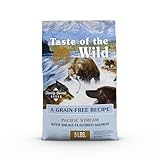
- Taste of the Wild Pacific Stream with SMOKE-FLAVORED SALMON dry dog food; REAL FISH is the #1 ingredient; high-protein (32%) to help support bones, joints and LEAN, STRONG MUSCLES
- Nutrient-rich and provides the energy to thrive; vitamins and minerals from SUPERFOODS; omega fatty acids for healthy SKIN and COAT
- Each serving includes high levels of species-specific, K9 Strain PROPRIETARY PROBIOTICS - plus antioxidants and prebiotics - to help support healthy digestion, immune system and overall health and wellness
- FAMILY-OWNED and MADE in the USA using quality ingredients from trusted domestic and global sources
Best for: Budget-conscious owners who still want fish-based omega support
Not every household can afford a premium limited-ingredient formula, and Taste of the Wild Pacific Stream delivers impressive omega-3 content from smoked salmon and ocean fish meal at a more accessible price point. It includes sweet potatoes and peas as grain-free carbs and features their proprietary K9 strain probiotics for digestive support.
The ingredient list is longer than a true limited-ingredient diet, so it is not ideal for a strict elimination trial. But for GSDs whose ear infections have a strong inflammatory component that responds to omega-3 supplementation, this formula provides that nutritional support without breaking the budget. It is one of the most popular choices among German Shepherd owners on breed forums for managing chronic german shepherd allergies.
5. Royal Canin German Shepherd Adult

- BREED HEALTH DOG FOOD: Royal Canin Breed Health Nutrition German Shepherd Adult Dog Food Dry Formula for purebred German Shepherds 15 months and older
- CRUNCHY KIBBLE: Specialized kibble shape and texture designed for a German Shepherds long, strong muzzle and teeth
- DIGESTIVE HEALTH DOG FOOD: Highly digestible proteins and specific fibers help maintain your dogs digestive health
- SKIN HEALTH: Healthy dog food with exclusive nutrients helps support the skin barrier for healthy skin
- JOINT AND BONE CARE: Glucosamine and chondroitin help support bone and joint health in big dogs
Best for: GSDs without confirmed food allergies who need breed-specific support
Royal Canin’s breed-specific formula is designed for the unique needs of German Shepherds, including their digestive sensitivity. It includes highly digestible proteins, prebiotics, and tailored fiber to support the gut, which in turn supports the skin barrier. The kibble shape is designed for the GSD’s long muzzle, encouraging slower eating and better digestion.
This is not a limited-ingredient or hydrolyzed formula, so it should not be your first choice if your dog has confirmed food allergies. But for GSDs whose ear infections are primarily environmental or whose food sensitivities have not been clearly identified, the digestive and immune support in this breed-specific formula can be a solid foundation. Pair it with an omega-3 supplement for the best results.
One important note on omega-3 supplementation: not all fish oils are equal. Look for products that specify their EPA and DHA content per serving, not just total fish oil. A typical GSD weighing 75 to 95 pounds benefits from approximately 1,000 to 1,500 mg of combined EPA and DHA per day, split across meals. Liquid fish oil formulations tend to be more concentrated and cost-effective than capsules for large breeds. Store supplements in the refrigerator to prevent oxidation, which not only reduces effectiveness but can actually add inflammatory compounds to your dog’s diet, working against the very benefit you are trying to achieve.
Building a Complete Ear Health Management Plan
Diet alone rarely solves chronic ear infections in German Shepherds. The most effective approach combines nutritional changes with veterinary care, targeted grooming, and environmental management. Think of diet as one pillar holding up a larger structure.
Work With Your Veterinarian
If your GSD has had multiple ear infections, schedule a dedicated consultation rather than just picking up drops at each flare-up. Your vet can perform cytology to identify whether the infections are bacterial, yeast, or mixed, and can discuss allergy testing or a dietary elimination trial. According to the American Kennel Club, ear infections that recur more than three times per year warrant a systematic investigation into underlying causes rather than continued symptomatic treatment.
For dogs with severe or year-round symptoms, your vet may recommend intradermal allergy testing or a serum panel, followed by immunotherapy (allergy shots or drops). These can desensitize the immune system over 6 to 12 months and dramatically reduce both skin and ear inflammation. Diet changes work synergistically with immunotherapy, not as a replacement.
Ear Cleaning and Grooming
Regular ear cleaning removes the wax and debris that fuel infections, but the technique and product matter. Use a vet-recommended ear cleanser, fill the canal, massage the base of the ear, and let your dog shake. Wipe away what comes out, but never dig deep with cotton swabs. For GSDs with active infections, your vet may prescribe a medicated cleaner rather than an over-the-counter option.
Bathing with a hypoallergenic or medicated shampoo can reduce the overall skin inflammation load, especially if your dog has concurrent itchy skin on the body. Shampoos containing chlorhexidine or miconazole help manage surface yeast that can migrate to the ears.
Environmental Controls
If your GSD’s ear infections worsen seasonally, environmental allergens like pollen or grass are likely contributing. Rinsing paws and belly after outdoor walks, using HEPA air purifiers indoors, and washing bedding weekly in hot water can reduce the allergen load on the immune system. For year-round symptoms, dust mite covers on dog beds and regular vacuuming with a HEPA filter make a measurable difference.
Dietary Transition Tips
When switching foods, transition gradually over 7 to 10 days: 25% new food for days 1-3, 50% for days 4-6, 75% for days 7-9, and 100% by day 10. Sudden changes can cause gastrointestinal upset that temporarily worsens the gut-skin axis, potentially triggering a short-term increase in ear inflammation before improvement begins. Be patient. It typically takes 8 to 12 weeks on a new diet to see the full effect on allergic ear disease, so do not switch again too quickly if the first few weeks show no change.
During this transition and trial period, keep a simple log. Note the date of any ear flare-ups, what you fed, any treats or supplements given, and environmental factors like high pollen days or new cleaning products in the home. This record becomes invaluable when working with your vet to identify patterns and pinpoint whether the improvement you are seeing is truly from the diet change or from a coincidental reduction in environmental triggers. Many owners find that keeping this log for three to four months reveals connections they would have otherwise missed.
Conclusion
Finding the best dog food for German Shepherd with ear infections means looking beyond the ingredient panel to understand how diet interacts with the immune system, the gut-skin axis, and the specific triggers affecting your dog. Omega-3 fatty acids reduce inflammation. Novel or hydrolyzed proteins eliminate dietary allergens. Probiotics and prebiotics support the gut-immune connection. Together, these nutritional strategies can significantly reduce the frequency and severity of ear flare-ups, but they work best as part of a comprehensive plan that includes veterinary care, regular ear cleaning, and environmental management.
The five formulas reviewed here cover the spectrum from strict elimination diets to breed-specific maintenance, giving you options whether your GSD is in the middle of a diagnostic trial or settling into long-term management. Work with your vet, transition slowly, and give each dietary change a full 8 to 12 weeks before evaluating results. Your German Shepherd’s ears, and your furniture, will thank you.
Remember that ear health is a long game. The dogs who see the most improvement are the ones whose owners commit to consistent dietary management, regular veterinary check-ins, and proactive grooming routines over months and years, not just the days following an active infection. If you are just starting this journey, the single most impactful step you can take today is scheduling a conversation with your veterinarian about whether a dietary elimination trial is right for your dog.
You Might Also Enjoy
- Best Dog Food for German Shepherds in 2026 — Our comprehensive breed nutrition guide covering all life stages and health needs.
- Best Dog Food for Sensitive Stomachs in 2026 — If your GSD’s ear issues come with digestive symptoms, this guide covers the top gut-friendly formulas.
- Best Dog Shampoo in 2026 — The right shampoo can reduce skin inflammation and yeast that contribute to ear infections.