
If your Goldendoodle keeps shaking their head, pawing at floppy ears, and leaving brownish discharge on your favorite couch, you are far from alone. Recurring ear problems are one of the most common reasons doodle owners end up at the vet, and diet often plays a bigger role than most people realize. Finding the best dog food for Goldendoodles with ear infections can be a game-changer—not as a cure, but as a practical way to support your dog from the inside out and reduce the frequency of those frustrating flare-ups.
The link between what goes into your dog’s bowl and what happens inside those floppy ears is more direct than it seems. Goldendoodles have drop ears that trap warmth and moisture, creating an ideal environment for yeast overgrowth. When a food sensitivity or allergy is also in the mix, it can trigger systemic inflammation that shows up as itchy, red, yeast-prone ears. Switching to a thoughtfully chosen formula—whether that is a limited ingredient food, a salmon-based recipe, or a sensitive skin blend—gives your dog’s immune system less to react to and can help break the cycle of chronic ear inflammation.
Why Goldendoodles Are Prone to Ear Infections—and How Food Fits In
Goldendoodles inherit more than just a teddy-bear face. Their Poodle side brings a dense, curly coat and a tendency toward goldendoodle allergies, while the Golden Retriever side contributes those heavy, floppy ears that restrict airflow. Together, these traits make the breed especially vulnerable to ear inflammation and recurrent infections.
Here is how the cycle usually works:
- Moisture gets trapped. Those gorgeous drop ears block air circulation, keeping the ear canal warm and damp after baths, swims, or even humid weather.
- Yeast thrives. The warm, dark environment is paradise for Malassezia yeast. Once yeast takes hold, it produces the classic brown, waxy discharge and that unmistakable corn-chip smell.
- Allergic inflammation fuels the fire. If your doodle has a food sensitivity, the resulting histamine response inflames the skin lining the ear canal, making it even easier for yeast and bacteria to settle in.
- The infection recurs. Antibiotics or antifungal drops clear the immediate infection, but unless the underlying trigger—often dietary—is addressed, the cycle repeats.
According to the American Kennel Club, dogs with allergies are significantly more likely to develop chronic ear infections, and dietary management is one of the most effective long-term strategies for reducing flare-ups. Food is not the cause of every ear infection, but for many Goldendoodles it is the missing piece of the puzzle.
Common dietary triggers include chicken, beef, dairy, wheat, and soy. These ingredients appear in the vast majority of commercial dog foods, which means your Goldendoodle has likely been exposed to them daily for years. Proteins your dog has eaten repeatedly over time are the most likely culprits because repeated exposure increases the chance of developing a sensitivity. That is why many veterinarians recommend rotating proteins and experimenting with novel or hydrolyzed formulas when ear issues become chronic. It is also worth noting that a dog can develop a sensitivity to a protein at any point in life—even one they have eaten without issue for years—so a food that was previously fine may suddenly become a problem.
What to Look for in Dog Food for Ear-Prone Goldendoodles
Not every “grain-free” or “natural” food will help. The key is knowing which nutritional features actually address the root causes of recurring ear trouble. Below are the most important factors to consider.
Limited Ingredient Formulas
A limited ingredient food strips the ingredient list down to the essentials—one novel protein, one or two carbohydrate sources, and minimal additives. The goal is simple: fewer ingredients means fewer potential triggers for an allergic response. If your Goldendoodle’s ear infections are linked to a food sensitivity, a limited ingredient diet makes it much easier to identify and eliminate the problem protein.
Look for formulas that use novel proteins your dog has not eaten before, such as venison, duck, kangaroo, or rabbit. These less common protein sources are ideal because your dog’s immune system has not had the chance to develop a sensitivity to them. Avoid formulas that sneak in chicken fat or other common allergens as minor ingredients—those can still trigger a reaction in sensitive dogs, even in small amounts. Read the full ingredient list carefully, not just the highlighted protein on the front of the bag.
Salmon and Fish-Based Recipes
Salmon dog food is a popular choice for doodles with ear issues for two reasons. First, salmon is a novel protein for most dogs, which reduces the likelihood of an allergic response. Second, salmon is naturally rich in omega-3 fatty acids (EPA and DHA), which support sensitive skin and help reduce inflammation throughout the body—including the skin inside the ear canal.
Omega-3s work by modulating the immune response, helping to calm the histamine-driven itchiness and redness that set the stage for yeast overgrowth. This anti-inflammatory effect is not limited to the ears—it supports skin health across your dog’s entire body, which is why many doodle owners notice improvements in coat shine, itchiness, and even paw-licking behavior after switching to a fish-based formula. Fish-based diets often include added omega supplements, making them a strong all-in-one option for dogs prone to ear trouble and skin issues alike.
Digestive Support and Gut Health
There is a growing body of research connecting gut health to skin and ear health in dogs. A healthy gut microbiome supports proper immune function, which in turn helps regulate allergic responses. Foods that include prebiotic fiber, probiotics, and easily digestible carbohydrate sources can strengthen the gut barrier and reduce systemic inflammation.
If your doodle also experiences loose stools, gas, or intermittent vomiting alongside ear infections, a formula designed for sensitive stomachs may address both issues at once. Many of the best options for ear-prone dogs double as digestive-support formulas, so you do not have to choose between gut health and skin health.
Grain-Free vs. Grain-Inclusive
This is a nuanced topic. Some dogs with grain sensitivities genuinely benefit from grain-free diets, while others do fine with wholesome grains like oatmeal or brown rice. The FDA’s investigation into a potential link between grain-free diets and dilated cardiomyopathy (DCM) has led many veterinarians to recommend grain-inclusive options unless there is a confirmed grain allergy.
If you are unsure whether your dog has a grain sensitivity, talk to your vet before making the switch. In many cases, a grain-inclusive limited ingredient formula using a novel protein works just as well for managing goldendoodle allergies as a grain-free alternative, and it avoids the DCM concerns. The real allergen is often the protein source, not the grain, so do not assume grain-free automatically means better for ear-prone dogs.
Top Picks: Best Dog Food for Goldendoodles With Ear Infections in 2026
The following selections are based on ingredient quality, suitability for dogs with sensitivities, and overall nutritional profile. Every formula here avoids the most common allergens and includes features that support skin, coat, and ear health.
1. Purina Pro Plan Sensitive Skin & Coat (Salmon Formula)
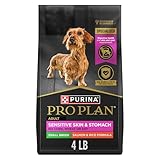
- Formulated high in protein to meet the needs of highly active small dogs
- High protein formula, with real salmon as the first ingredient
- Fortified with guaranteed live probiotics for digestive and immune health
- Used to be known as FOCUS Sensitive Skin and Stomach Salmon
- Sunflower oil rich in omega-6 fatty acids for healthy skin and coat

Best overall for ear-prone Goldendoodles
This salmon dog food formula is specifically designed for dogs with sensitive skin and uses real salmon as the first ingredient. It is fortified with omega-3 and omega-6 fatty acids from fish oil and sunflower oil, which work together to strengthen the skin barrier and reduce inflammation. Live probiotics support digestive health, making it a well-rounded choice for doodles whose ear issues are connected to broader allergic responses.
Key benefits:
- Salmon as the first ingredient—novel protein for most dogs
- High omega-3 content from fish oil to calm ear inflammation
- Added probiotics for gut health support
- Widely available and vet-recommended
- Grain-inclusive formula (barley and rice) for dogs without grain sensitivities
Considerations: Contains fish meal and some chicken by-product meal in some varieties, so check the label carefully. If your dog is sensitive to chicken, opt for the strictly salmon version. This formula also includes grains (barley and rice), which is fine for most dogs but may not suit those with confirmed grain sensitivities. Purina’s wide availability and consistent quality control make this a reliable starting point for most doodle owners.
2. Natural Balance L.I.D. Limited Ingredient Diets (Sweet Potato & Fish)

- Single Animal Protein Nutrition: Natural Balance Small Breed Grain-Free Dry Dog Food features bison, a rich primary animal protein to help support strong muscles while delivering complete dog nutrition
- Sensitive Stomach Support: Crafted with easily-digestible ingredients, this grain-free recipe helps support sensitive stomachs while promoting balanced digestion and daily comfort for small dogs
- Skin & Coat Nourishment: A nutritious blend helps support healthy skin and a shiny coat while providing balanced nourishment for small breed dogs
- Wholesome Daily Nutrition: Made with natural ingredients, this limited ingredient formula helps deliver immune system support and overall well being through dependable nutrition
- Vet Recommended: Natural Balance crafts only the most nutritious food and treats that dogs and cats will love and parents can trust
Best limited ingredient food for Goldendoodles with chronic ear issues
Natural Balance pioneered the limited ingredient food concept, and this formula remains one of the cleanest options on the market. It uses salmon as the sole animal protein and sweet potato as the primary carbohydrate, keeping the ingredient list short and transparent. No chicken, no beef, no dairy, no wheat, no soy.
Key benefits:
- True limited ingredient formula with a single animal protein
- Salmon provides omega-3s for skin and ear support
- Sweet potato is highly digestible and unlikely to trigger sensitivities
- No artificial colors, flavors, or preservatives
- Available in both kibble and wet formulas for mixing
Considerations: Some dogs may need additional omega-3 supplementation beyond what the formula provides, especially during the early weeks of transitioning away from a chicken-based diet. The calorie density is moderate, so active doodles may need slightly larger portions. While this formula is grain-free, the sweet potato base provides solid nutrition for most dogs. If your doodle has both ear and stomach sensitivities, this formula pairs well with a probiotic supplement for comprehensive gut and skin support.
3. Canidae PURE Limited Ingredient (Salmon)

- Real Ingredients, Real Nutrition: Canidae Pure Farm to Bowl Dry Dog Food is cooked in small batches and features responsibly sourced, regeneratively farmed ingredients that are nutrient dense to provide balanced nutrition
- Gentle Digestive Support: Crafted with healthy, hearty, and wholesome ingredients, this formula supports the immune system and digestion while delivering a satisfying meal for your dog
- Protein-Rich Nutrition: A nutrient-rich blend of high-quality wild-caught salmon provides omega-3 fatty acids to support a healthy coat and skin
- Quality Formula: Made with antioxidants, probiotics, and 10 or fewer key ingredients, this wholesome recipe is formulated without corn, grain, wheat, or soy, and no artificial flavors, colors, or preservatives
- A Bowl Full of Goodness: Crafted with responsibly sourced proteins and nutrient-dense ingredients from our network of trusted farmers, this recipe is regeneratively farmed and formulated by pet experts
Best for doodles with multiple sensitivities
Canidae PURE takes the limited-ingredient approach a step further with just 8–10 key ingredients. The salmon recipe uses whole salmon as the primary protein, paired with lentils and peas for digestible carbohydrates. It includes probiotics, antioxidants, and omega fatty acids, making it a solid all-in-one option for dogs with goldendoodle allergies that show up as both skin and ear problems.
Key benefits:
- Only 8–10 ingredients total—ideal for elimination-style feeding
- Whole salmon provides high-quality protein and natural omega-3s
- Added probiotics for digestive support
- Free from corn, wheat, soy, and chicken
- Suitable for all life stages
Considerations: The lentil and pea base may not be ideal for every dog, particularly those with legume sensitivities. Transition slowly over 10 to 14 days to avoid digestive upset. Canidae PURE is grain-free, so discuss this choice with your vet if you have concerns about the FDA’s DCM investigation. For doodles that tolerate legumes well, however, the ultra-minimal ingredient list makes this an excellent tool for identifying which specific proteins cause reactions.
4. Wellness Simple Limited Ingredient (Salmon & Potato)

- LIMITED INGREDIENT SMALL BREED ADULT DOG FOOD: All natural, limited ingredient recipe crafted with a single source of protein from salmon, and expertly balanced with easily digestible carbohydrates from potatoes, without any extra fillers.
- SUITABLE FOR DOGS WITH FOOD SENSITIVITIES & ALLERGIES: This limited ingredient recipe nourishes simply and completely, with high quality ingredients your dog needs to thrive.
- SUPPORTS DIGESTIVE HEALTH AND SKIN & COAT HEALTH: Contains natural prebiotics for a healthy digestive system, vitamins for a strong immune system, taurine for a healthy heart and omega fatty acids for a healthy coat and skin.
- NO CORN, WHEAT, OR SOY: Adult dry dog food doesn't contain poultry by-products, wheat, wheat gluten, corn, soy, dairy, eggs, artificial colors, or preservatives. Manufactured in a facility that also processes grains.
- MADE IN USA: Using only the finest globally sourced ingredients, we prepare each of our diets in our own state of the art facility; recipes crafted with wholesome, non-GMO ingredients chosen for their nutritional benefits
Best for doodles transitioning off chicken-based diets
If your Goldendoodle has been eating chicken-based food for years, switching to this Wellness Simple formula is a clean break. It uses salmon as the single animal protein and potato as the sole carbohydrate, with added omega-3 fatty acids from flaxseed and canola oil. The formula is designed for dogs with food sensitivities and includes prebiotic fiber to support gut health.
Key benefits:
- Single animal protein (salmon) and single carbohydrate (potato)
- Added omega-3s from flaxseed for anti-inflammatory support
- Prebiotic fiber promotes healthy digestion
- No chicken, beef, dairy, wheat, or soy
- Available in both dry and wet forms
Considerations: Some doodle owners report that the kibble size is on the smaller side, which may not satisfy dogs that prefer a crunchier texture. If your dog prefers larger kibble, the wet version may be a better fit as a topper mixed with the dry formula. Wellness Simple is also one of the more affordable limited ingredient options, making it a practical choice for doodle owners who want quality nutrition without the premium price tag of some specialty brands.
5. Royal Canin Hydrolyzed Protein (HP)

- Formula contains hydrolyzed protein sources
- Single carbohydrate source
- Highly digestible to promote optimal nutrient absorption
- High-quality protein
- Contains antioxidants
Best for severe, vet-diagnosed food allergies
When elimination diets and limited ingredient foods are not enough, Royal Canin’s hydrolyzed protein formula breaks proteins down into fragments so small that the immune system does not recognize them as allergens. This is a prescription-only option, but for Goldendoodles with confirmed and severe food allergies driving chronic ear infections, it can be the most effective dietary intervention available.
Key benefits:
- Hydrolyzed soy protein eliminates immune recognition
- Scientifically formulated and clinically tested for adverse food reactions
- Includes essential fatty acids for skin barrier support
- Highly digestible for dogs with compromised gut health
- Prescription-strength solution when over-the-counter options fall short
Considerations: Requires a veterinary prescription, so you will need to work with your vet to obtain it. The cost is significantly higher than standard limited ingredient options, which can be a factor for multi-dog households. Because the protein is hydrolyzed, it does not teach you which protein your dog is actually allergic to—for that, you need a structured elimination diet with novel proteins. However, for doodles that have failed multiple over-the-counter dietary trials, Royal Canin HP offers a scientifically proven path to relief when nothing else has worked.
Supporting Your Goldendoodle Beyond Diet
Diet is powerful, but it works best as part of a broader ear-care routine. Here are additional strategies that complement the right food choice:
Regular Ear Cleaning
Clean your doodle’s ears weekly with a vet-recommended ear cleaning solution. Gently squirt the solution into the ear canal, massage the base of the ear for 20–30 seconds, and let your dog shake out the excess. Wipe away visible debris with a cotton ball—never use cotton swabs deep in the canal. Consistent cleaning removes the wax and moisture that yeast needs to thrive.
Drying Ears After Water Exposure
Goldendoodles love water, but every swim or bath introduces moisture into the ear canal. Make a habit of gently drying the inside of your dog’s ears after water exposure. A vet-recommended drying solution can help evaporate trapped moisture. If your doodle is a frequent swimmer, ask your vet about preventive ear-drying drops.
Grooming and Coat Maintenance
The hair inside and around your doodle’s ear canal can trap moisture and block airflow. Regular grooming that includes trimming the hair around the ear opening helps. For full coat care guidance, see our guide on the best dog brush for doodles.
Allergy Testing and Elimination Diets
If you suspect food allergies are driving your dog’s ear infections but are not sure which ingredient is the trigger, a structured elimination diet supervised by your vet is the gold standard for identification. Blood and saliva allergy tests exist, but elimination diet trials remain the most reliable diagnostic approach.
Managing Environmental Allergens
Food is not the only trigger. Pollen, dust mites, mold, and grass can all contribute to allergic ear inflammation. Wipe your doodle’s paws and belly after outdoor walks, wash bedding weekly, and consider an air purifier if indoor allergens are a concern. For anxious doodles who need a calm space during high-pollen days, a properly sized crate can provide a clean, low-allergen retreat.
Quick Comparison Table
| Food | Protein | Type | Best For | Grain-Inclusive? |
|---|---|---|---|---|
| Purina Pro Plan Sensitive Skin & Coat | Salmon | Standard | Overall best pick | Yes |
| Natural Balance L.I.D. Sweet Potato & Fish | Salmon | Limited ingredient | Chronic ear issues | No |
| Canidae PURE Limited Ingredient Salmon | Salmon | Limited ingredient | Multiple sensitivities | No |
| Wellness Simple Salmon & Potato | Salmon | Limited ingredient | Transitioning off chicken | No |
| Royal Canin Hydrolyzed Protein HP | Hydrolyzed soy | Prescription | Severe diagnosed allergies | Yes |
Transitioning to a New Food Safely
Switching your Goldendoodle’s food too quickly can cause digestive upset, which is the last thing you need when you are already dealing with ear trouble. Follow the standard 7–10 day transition schedule:
- Days 1–3: 75% old food, 25% new food
- Days 4–6: 50% old food, 50% new food
- Days 7–9: 25% old food, 75% new food
- Day 10+: 100% new food
Give any new food at least 8–12 weeks before deciding whether it is helping. It takes time for allergens to clear the system and for inflammation to subside. During this period, avoid giving treats, table scraps, or flavored medications that contain the proteins you are trying to eliminate, as even small exposures can set back your progress. Keep a simple log of your dog’s ear symptoms—redness, discharge, odor, head-shaking frequency—so you can track improvements objectively. Many doodle owners find it helpful to take weekly photos of their dog’s ears for comparison, since gradual improvements can be hard to notice day to day.
If your doodle is also dealing with digestive issues alongside ear problems, read our guide on the best dog food for Goldendoodles with sensitive stomachs for formulas that address both concerns simultaneously.
When to See Your Veterinarian
Dietary changes are a powerful preventive tool, but they are not a substitute for veterinary care. See your vet if:
- Your dog’s ear discharge is bloody, green, or foul-smelling
- The ear canal appears swollen shut
- Your dog is in visible pain when the ear is touched
- Ear infections are occurring more frequently despite dietary changes
- Your dog develops hot spots, hair loss, or skin lesions alongside ear issues
Chronic ear infections can lead to scar tissue buildup, hearing loss, and even middle ear infections if left untreated. Do not wait to seek professional help if your dog’s symptoms are worsening or not responding to dietary changes. A thorough veterinary exam can rule out foreign bodies, ear mites, hypothyroidism, and other underlying causes that dietary management alone cannot address. In some cases, your vet may recommend allergy testing, prescription ear drops, or even a referral to a veterinary dermatologist for comprehensive allergy management.
For doodles that get anxious during vet visits, a comfortable crate and a secure no-pull harness can make the trip less stressful for both of you.
Conclusion
Recurring ear infections are frustrating for you and uncomfortable for your Goldendoodle, but the right dietary choices can make a real difference. The best dog food for Goldendoodles with ear infections is one that eliminates common allergens, supports sensitive skin with anti-inflammatory omega-3 fatty acids, and promotes gut health to strengthen your dog’s overall immune response. Whether you start with a salmon dog food like Purina Pro Plan Sensitive Skin & Coat, go minimal with Natural Balance L.I.D., or pursue a prescription hydrolyzed protein diet under veterinary guidance, the goal is the same: give your dog’s immune system fewer reasons to overreact and more nutritional tools to stay balanced.
Pair your dietary changes with a consistent ear-cleaning routine, smart grooming habits, and environmental allergen management, and you will be giving your Goldendoodle the best possible foundation for long-term ear health. Be patient, track your results, and partner with your vet for the most effective approach.