
Why Your Goldendoodle Needs a Grooming Schedule
If you brought home a Goldendoodle expecting low-maintenance fur, you’re not alone — that’s one of the most common misconceptions about this breed. The truth is, your Goldendoodle inherited coat genes from both the Poodle and the Golden Retriever, and that mix creates something unpredictable and surprisingly high-maintenance.
Without a consistent goldendoodle grooming schedule, mats can form in as little as two to three days. Matting isn’t just a cosmetic issue — it traps moisture against the skin, restricts airflow, and creates the perfect environment for bacterial and yeast infections. Hot spots, painful skin irritation, and even open sores can develop under mats you can’t see from the surface.
A grooming schedule gives you a plan so you’re never caught off guard. Instead of reacting to a matted mess, you prevent it. Your Goldendoodle stays comfortable, your vet bills stay lower, and grooming sessions stay short instead of turning into marathon de-matting sessions that stress both of you out.
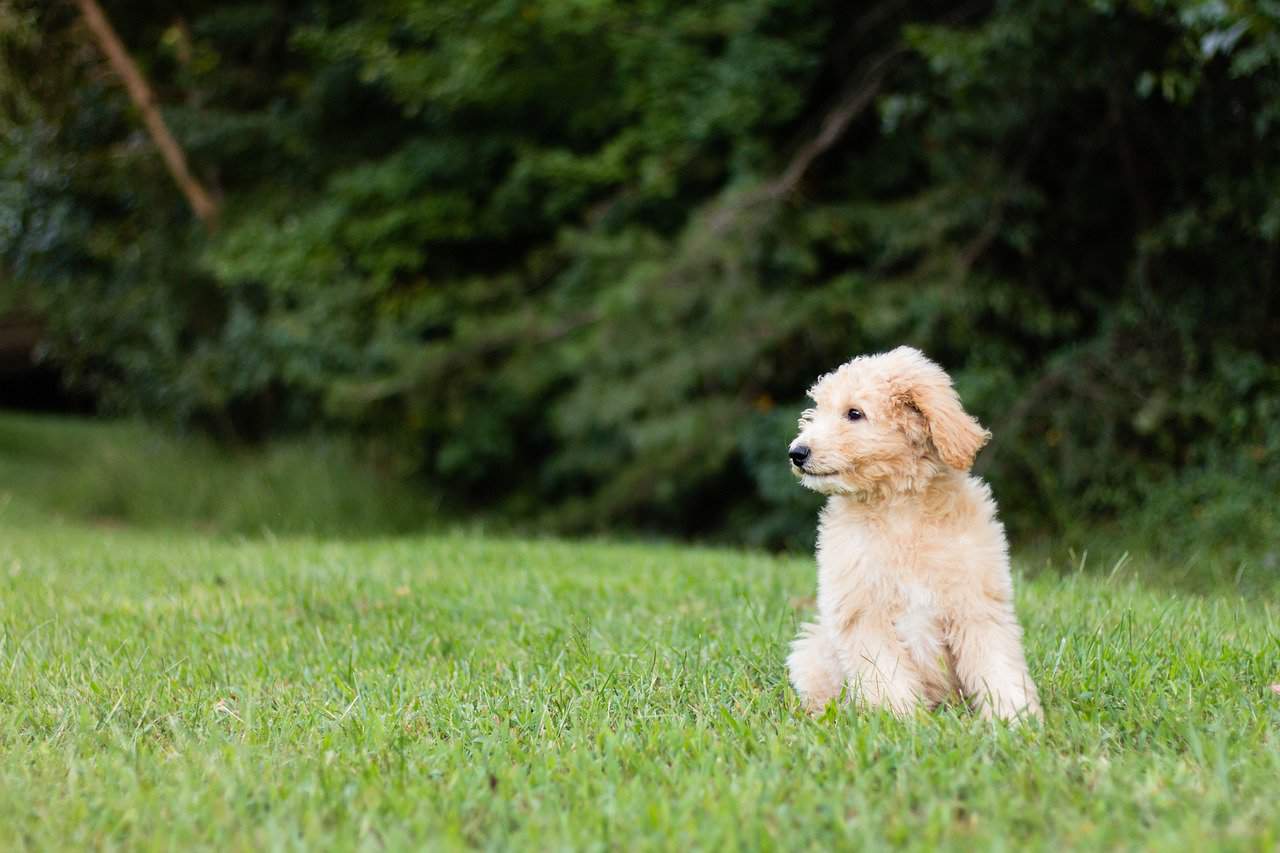
Understanding Your Goldendoodle’s Coat Type
Before you can build the right goldendoodle grooming schedule, you need to know what kind of coat your doodle actually has. Coat type is the single biggest factor in how often you need to brush, bathe, and trim — and most generic guides skip this entirely.
Goldendoodle coats don’t follow a simple rule. Two puppies from the same litter can have completely different coat textures, growth rates, and shedding patterns. Your goldendoodle coat care plan has to match your specific dog’s fur, not some hypothetical average.
Wavy Coat (F1B and F2 Typical)
The wavy coat — sometimes called “fleece” — is the most common type in F1B and F2 Goldendoodles. It’s soft, slightly wavy, and somewhere between the Poodle’s tight curls and the Golden Retriever’s straight fur. It sheds minimally but tangles easily, especially where friction occurs: behind the ears, under the collar, the armpits, and the base of the tail.
For wavy coats, your goldendoodle brushing frequency should be two to three times per week. This coat type mats more slowly than a curly coat but faster than you’d expect — especially during seasonal coat transitions in spring and fall.
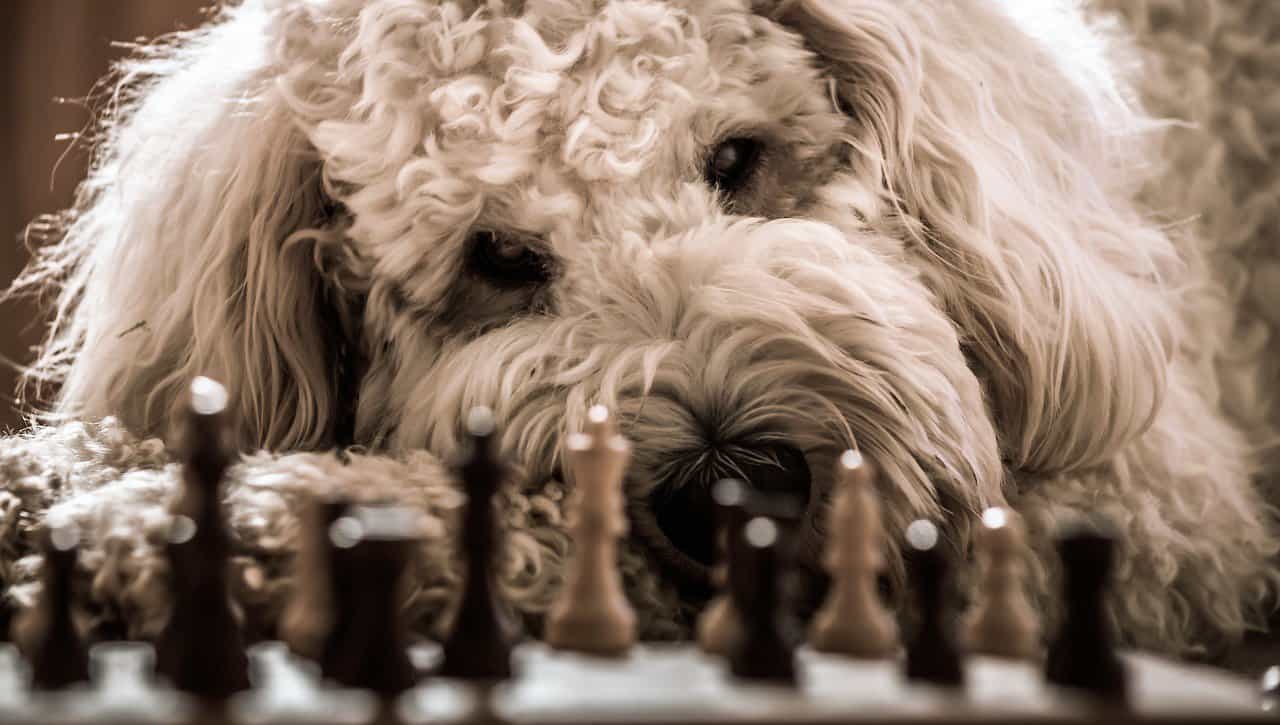
Curly Coat (More Poodle Influence)
Curly coats are tight, dense, and the highest maintenance of all Goldendoodle coat types. They shed almost nothing, which is great for your furniture, but that loose hair stays trapped in the curls instead of falling out. Without regular brushing, it compacts into mats fast.
If your Goldendoodle has a curly coat, you need to brush three to four times per week minimum. This is non-negotiable in your goldendoodle grooming schedule — skipping even a few days can mean spending an hour working out mats that could have been prevented with a ten-minute brush session.
Flat/Retriever Coat (Less Common, Easier Maintenance)
Some Goldendoodles — especially early-generation F1s — inherit a flat, retriever-style coat. It’s straighter, shorter, and sheds more than the other types. The good news: it’s the easiest to maintain. The not-so-good news: you’ll be vacuuming more dog hair off your couch.
For flat coats, your doodle coat maintenance is lighter. Brushing once or twice a week is usually enough, and matting is rare. But you still need regular ear cleaning, nail trims, and periodic bathing — the full goldendoodle grooming schedule isn’t just about the coat.
The Complete Goldendoodle Grooming Schedule by Age
Your Goldendoodle’s grooming needs change dramatically as they grow. What works for an eight-week-old puppy will not work for a two-year-old adult. Here’s a goldendoodle grooming schedule broken down by age so you always know what to do and when.
Puppy Phase (8-16 Weeks)
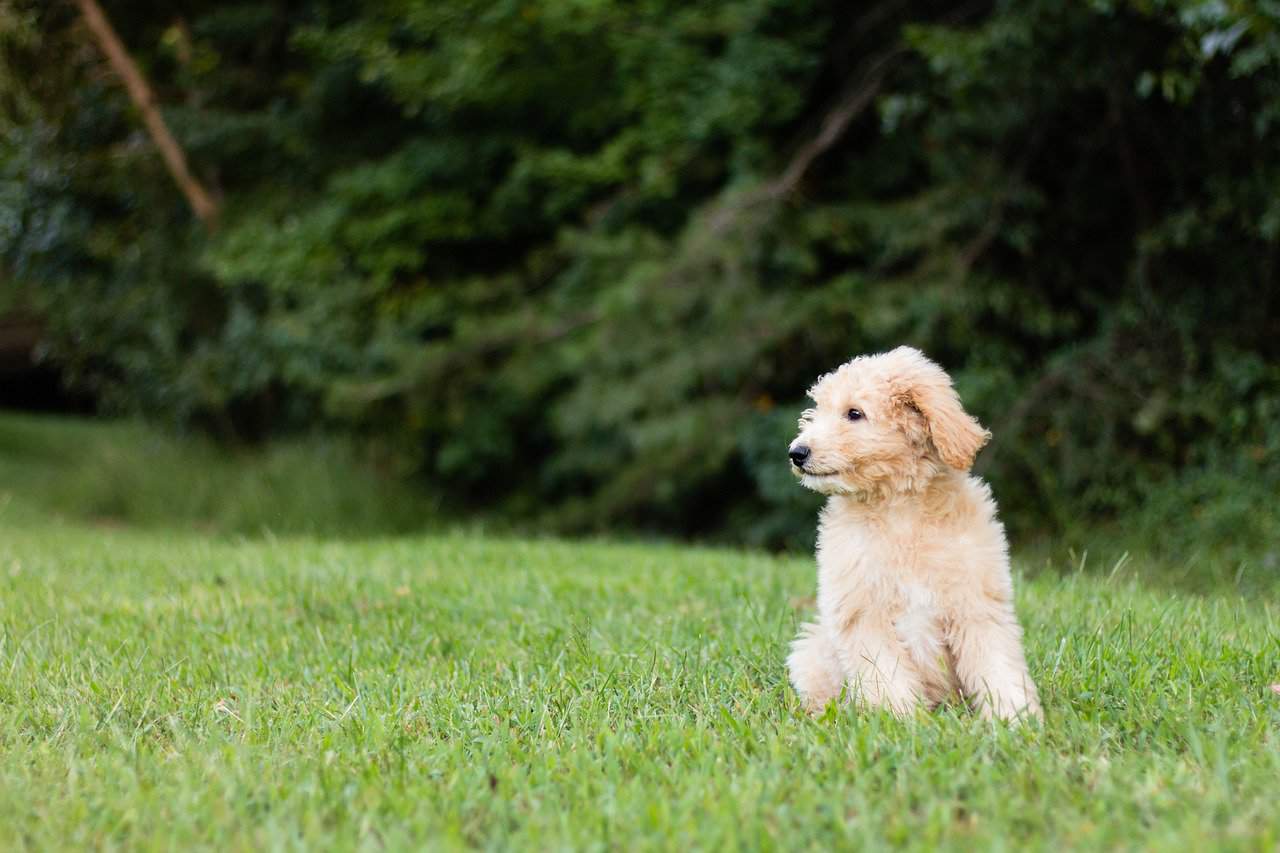
This phase is all about desensitization, not perfection. Your goal is to get your Goldendoodle puppy comfortable with being handled, touched everywhere, and exposed to grooming tools. The actual grooming is light — but the training is critical.
Weeks 8-10: Handle your puppy’s paws, ears, muzzle, and tail daily for 30-60 seconds each session. Let them sniff the brush and clippers while turned off. Give treats during and after every handling session. This builds positive associations that will pay off for years.
Weeks 10-12: Introduce gentle brushing with a soft slicker brush, just a few strokes at a time. Touch the clippers to their body while off so they feel the vibration-free weight. Start wiping ears with a vet-approved ear cleaning solution once a week.
Weeks 12-16: Extend brushing sessions to five to ten minutes. Turn clippers on near (not on) your puppy so they get used to the sound. Give your first puppy bath using a gentle, dog-specific shampoo. Trim just the tips of nails if needed — a nail grinder is less scary than clippers for most puppies.
This early goldendoodle grooming schedule sets the foundation. Puppies who learn grooming is safe and rewarding grow into adults who stand still for full grooming sessions instead of fighting you.
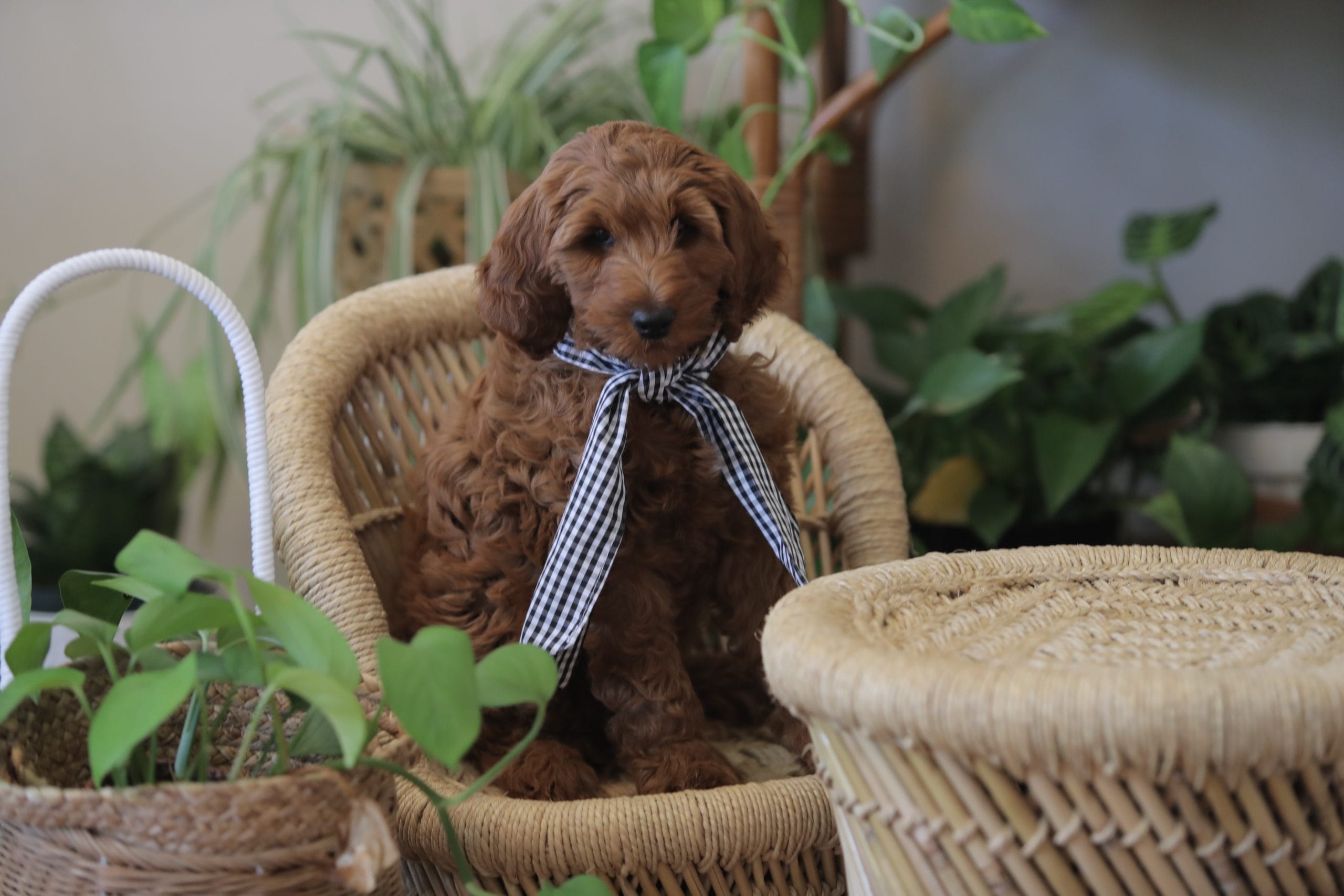
Adolescent Phase (4-12 Months)
Adolescence is when your Goldendoodle’s adult coat starts coming in, and this transition period is the hardest part of doodle coat maintenance. The puppy coat sheds out while the adult coat grows in, and where the two coat types meet, mats form almost constantly.
Months 4-6: Increase brushing to every other day for curly coats and three times per week for wavy coats. The coat transition typically begins around five months, and you’ll notice more tangling around the haunches, behind the ears, and under the legs. Use a steel comb after brushing to check your work — if the comb catches, there’s a tangle you missed.
Months 6-9: Peak coat transition for most Goldendoodles. Brush daily if your doodle has a curly coat; every other day for wavy coats. Consider a professional grooming session every six to eight weeks during this phase. Your groomer can trim the transitioning coat shorter, which makes your at-home goldendoodle grooming schedule much more manageable.
Months 9-12: The adult coat is mostly in place now. You should know your Goldendoodle’s final coat type by this point. Adjust your goldendoodle brushing frequency based on what you’re seeing — curly coats need the most attention, wavy coats a moderate amount, and flat coats the least.
Adult Phase (1+ Years)
Once your Goldendoodle’s adult coat is fully established, your goldendoodle grooming schedule becomes predictable and routine. This is where the real consistency matters.
Brushing: Curly coats need brushing three to four times per week. Wavy coats two to three times per week. Flat coats once or twice per week. Always brush before bathing — wetting a matted coat makes mats tighter and harder to remove.
Bathing: Every four to six weeks for curly and wavy coats. Every six to eight weeks for flat coats. Over-bathing strips natural oils and dries out the skin, so resist the urge to bathe weekly unless your Goldendoodle rolled in something awful.
Professional grooming: Every six to eight weeks for a full haircut and trim. This keeps the coat at a manageable length and lets a professional handle areas that are tough to do at home — the face, paws, and sanitary areas.
Nail trims: Every two to three weeks. If you hear clicking on hard floors, they’re too long. Use a nail grinder for a smoother finish and less risk of cutting the quick.
Ear cleaning: Weekly. Goldendoodles have floppy ears that trap moisture, making them prone to ear infections. A vet-approved ear cleaning solution applied weekly prevents most problems.
Teeth: Brush two to three times per week with dog-specific toothpaste. Dental chews help between brushings but don’t replace them.
Weekly Goldendoodle Grooming Routine Breakdown
Knowing what to do is half the battle. Knowing when to do it is the other half. Here’s a weekly goldendoodle grooming schedule that keeps your doodle’s coat in shape without turning your life into one long grooming session.
This schedule assumes a curly or wavy coat — the most common types. If your Goldendoodle has a flat coat, you can reduce brushing days by half.
| Day | Task | Time |
|---|---|---|
| Monday | Full body brush with slicker brush, then steel comb check | 10-15 min |
| Tuesday | Ear cleaning + quick face wipe | 3-5 min |
| Wednesday | Full body brush (focus on trouble spots: ears, armpits, tail base) | 10-15 min |
| Thursday | Rest day — check for mats visually only | 1 min |
| Friday | Full body brush + teeth brushing | 12-18 min |
| Saturday | Bath day (every 4-6 weeks) or trim check — inspect paws, sanitary area, nail length | 5-45 min |
| Sunday | Rest day or light brush if curly coat | 5-10 min |
The key to making this goldendoodle grooming schedule work is consistency. Ten minutes of brushing three times a week prevents hours of de-matting later. Think of it like maintaining a car — small, regular effort beats massive, expensive repairs every time.
For curly-coated Goldendoodles, add that Sunday brush session. For wavy coats, Thursday and Sunday rest days are usually fine. Your goldendoodle trimming schedule for face, paws, and sanitary areas should happen every two to three weeks at home, with a full professional trim every six to eight weeks.
Essential Tools for Your Goldendoodle Grooming Schedule
The right tools make your goldendoodle grooming schedule faster, easier, and more effective. The wrong tools waste your time and can even damage your dog’s coat. Here’s what you actually need, with specific recommendations.
Slicker Brush: This is the workhorse of your doodle grooming routine. A good slicker brush reaches through the topcoat to the undercoat, removing loose hair and preventing tangles before they become mats. The Doodle-specific slicker brush is designed specifically for doodle coat textures. For a complete kit option, the Bonteck 5-piece grooming kit includes a slicker brush along with other essentials. You can also check out our full guide to the best dog brush for Doodles for more options.
Steel Comb: After brushing with the slicker, run a steel comb through the coat. If it glides through, you’re mat-free. If it catches, you’ve got work left to do. The comb is your quality check tool — never skip this step.
Clippers: For trimming your Goldendoodle’s face, paws, and sanitary areas at home. The oneisall clippers for thick coats handle doodle fur well. If you prefer cordless convenience, the oneisall cordless clippers are a solid choice. See our full review of the best dog clippers for Goldendoodles for detailed comparisons.
Shampoo: You need a dog-specific shampoo — never human shampoo, which has the wrong pH for canine skin. The We Love Doodles shampoo is formulated specifically for doodle coats. For a multi-purpose option, the 4-in-1 Doodle shampoo cleans, conditions, detangles, and deodorizes in one step.
Conditioner: Doodle coats benefit hugely from conditioner after shampooing. It makes the coat more manageable between baths and reduces static that leads to tangling. The We Love Doodles conditioner pairs well with their shampoo for a complete goldendoodle coat care routine.
Detangling Spray: This is your secret weapon between full grooming sessions. A quick spritz before brushing makes tangles easier to work out and less painful for your Goldendoodle. The We Love Doodles detangler is a popular choice. The Freshly Bailey Doodle Detangler is another great option specifically made for doodle coats.
Investing in the right tools upfront saves you time, money, and frustration in the long run. Your goldendoodle grooming schedule only works if the tools you’re using are actually designed for the job.

Common Goldendoodle Grooming Mistakes
Even with a goldendoodle grooming schedule in hand, it’s easy to make mistakes that undermine your efforts. Here are the most common ones — and how to avoid them.
Waiting too long between brushing sessions. This is the number one mistake Goldendoodle owners make. Mats can form in just two to three days of missed brushing, especially on curly coats. Once a mat tightens, it pulls on the skin and becomes painful. Prevention is always easier than removal — stick to your schedule.
Using human shampoo. Human skin has a pH around 5.5; dog skin sits between 6.5 and 7.5. Using your shampoo on your Goldendoodle disrupts their skin’s acid mantle, causing dryness, irritation, and sometimes bacterial infections. Always use a dog-specific shampoo formulated for the right pH balance.
Shaving a double-coated doodle. Some Goldendoodles have a double coat — a soft undercoat beneath a coarser topcoat. Shaving a double-coated dog can permanently damage the coat’s ability to regulate temperature and protect the skin. If you’re unsure whether your doodle is double-coated, ask your groomer before going short. The AKC’s grooming FAQ has more information on when shaving is and isn’t appropriate.
Skipping ear cleaning. Goldendoodles have floppy, hairy ears that trap moisture and debris. Without weekly cleaning, yeast and bacteria thrive in that warm, dark environment. Ear infections are painful, expensive to treat, and can become chronic. A few minutes of ear cleaning per week prevents most of them.
Not desensitizing puppies to grooming tools. If you wait until your Goldendoodle is six months old to introduce a brush, you’re going to have a fight on your hands. The puppy phase of your goldendoodle grooming schedule exists specifically to prevent this. Start slow, use treats, and make grooming a positive experience from day one.
How to Handle Matting Between Grooming Sessions
Even with a solid goldendoodle grooming schedule, mats happen. Maybe you skipped a few days. Maybe your Goldendoodle went swimming and the coat dried tangled. Maybe the coat transition phase hit harder than expected. Here’s how to deal with mats when they show up.
Step 1: Assess the mat. Gently pull the fur around the mat. If it’s loose and your Goldendoodle doesn’t flinch, you can work it out at home. If it’s tight against the skin or your dog shows discomfort, it may be too severe for home treatment.
Step 2: Apply detangling spray. Spray the mat directly with a quality detangler like the We Love Doodles detangler or the Freshly Bailey Doodle Detangler. Let it sit for two to three minutes to penetrate the tangled fur. Never try to brush out a dry mat — it’s painful and can damage the coat.
Step 3: Work from the outside in. Starting at the edge of the mat, gently pick at the fur with your fingers or the very tip of a slicker brush. Work in small sections, moving inward as the tangle loosens. Never pull hard — if you feel resistance, spray more detangler and wait.
Step 4: Comb through. Once you’ve loosened the mat with your fingers and slicker brush, run a steel comb through the area to make sure no small tangles remain. A mat that looks resolved but has hidden micro-tangles will just form again in a day or two.
Step 5: Check for skin damage. After removing a mat, look at the skin underneath. If it’s red, raw, or has a rash, contact your vet. Mats can hide skin infections that need medical treatment, not just grooming.
When to see a professional: If a mat is tight against the skin, larger than your fist, or causing your Goldendoodle obvious pain, don’t try to remove it yourself. A professional groomer has the tools and experience to shave out severe mats safely. Trying to brush out a severe mat at home risks cutting your dog’s skin or creating a traumatic experience that makes future grooming harder.
Prevention is always the goal, but knowing how to handle mats between sessions keeps your goldendoodle grooming schedule from derailing completely when life gets busy.

Goldendoodle Grooming Schedule FAQ
How often should I bathe my Goldendoodle?
Every four to six weeks for curly and wavy coats, every six to eight weeks for flat coats. Over-bathing strips natural oils and dries out the skin. If your Goldendoodle gets dirty between baths, spot-clean with a damp cloth rather than doing a full bath. Always brush before bathing — never bathe a matted coat.
Can I groom my Goldendoodle at home or should I use a professional?
Both. Your at-home goldendoodle grooming schedule handles regular brushing, ear cleaning, nail trims, and touch-ups. A professional groomer every six to eight weeks handles the full haircut, face trim, and hard-to-reach areas. Most Goldendoodle owners do best with a hybrid approach — home maintenance between professional visits.
How long does a full grooming session take?
At home, a full brush-out takes ten to fifteen minutes if you’re staying on schedule. If you’ve fallen behind and need to de-mat, expect thirty to sixty minutes. A professional grooming appointment typically takes two to three hours for a full haircut and bath. Your goldendoodle trimming schedule at home — face, paws, and sanitary area — takes about fifteen to twenty minutes every two to three weeks.
At what age should I start grooming my Goldendoodle puppy?
Start handling and desensitization the day you bring your puppy home — typically around eight weeks. Actual grooming tools can be introduced gradually over the first month. Your first professional groom should happen between twelve and sixteen weeks, after your puppy has had all their initial vaccinations. The earlier you start, the easier your goldendoodle grooming schedule will be for the rest of your dog’s life.
How do I know if my Goldendoodle’s coat is matted?
Run a steel comb through your Goldendoodle’s coat. If the comb glides through smoothly, you’re mat-free. If it catches or stops, you’ve found a tangle or mat. Pay special attention to high-friction areas: behind the ears, under the collar, the armpits, the groin, and the base of the tail. You can also feel for mats by running your fingers through the coat — mats feel like tight knots or lumps beneath the surface fur.
You Might Also Enjoy
Looking for more Goldendoodle care tips? These guides pair perfectly with your goldendoodle grooming schedule:
Best Dog Clippers for Goldendoodles — A detailed comparison of clippers that can actually handle thick doodle coats, with real testing results and recommendations for every budget.
Best Dog Brush for Doodles — Not all brushes work on doodle coats. This guide breaks down which slicker brushes, pins brushes, and combs actually reach through the coat instead of just smoothing the top layer.
Best Harness for Goldendoodles That Pull — If your Goldendoodle pulls on walks (and let’s be honest, many do), the right harness makes a huge difference. Plus, a no-pull harness means less friction and matting around the chest and neck area — it actually supports your goldendoodle grooming schedule indirectly.